Nutrition Basics
Carb Foods: Dietitian-Approved List With Portions
A practical, categorised list of carb foods with realistic portions, plus low carb options and honest guidance on how much carbohydrate you actually need.
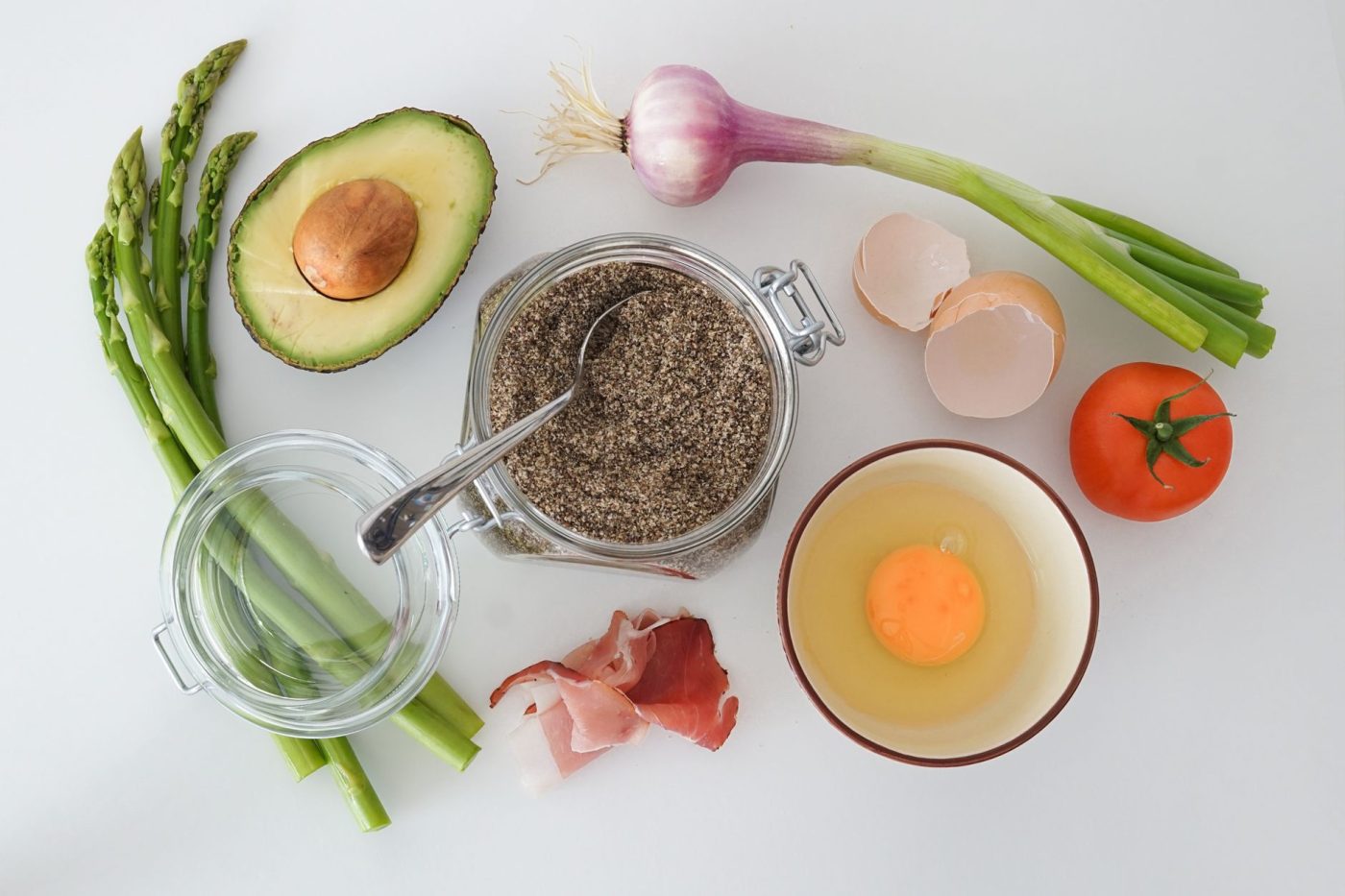
Carb foods have a mixed reputation, but carbohydrate is a normal and useful fuel for the body, and the type matters far more than the label. This guide sorts carb foods into practical categories, gives realistic portions, and shows which options tend to serve you best. It also covers so called carb free foods for anyone watching their intake, all without demonising a whole food group.
What counts as a carb food
Carbohydrate is one of the three main sources of energy in the diet, alongside protein and fat. Carb foods are simply those where carbohydrate is a major component, which includes grains, starchy vegetables, fruit, legumes, dairy and anything sugary. Not all of these behave the same way in the body, which is why lumping them together as good or bad misses the point. For the full science, see our carbohydrates guide.
The most useful split is between fibre rich, minimally processed carbohydrate and refined, sugary carbohydrate. The first group, such as wholegrains, beans, fruit and vegetables, comes packaged with fibre, vitamins and minerals. The second, such as sweets, white bread and sugary drinks, delivers energy with little else. Both fit into a healthy diet, but the balance should tilt heavily toward the first.
Starchy carb foods
Starchy foods are a staple energy source in most cuisines. Choosing wholegrain versions where you can adds fibre and keeps you fuller for longer.
- Oats: around 40 g dry per portion, a fibre rich breakfast base.
- Wholegrain bread: one to two slices, roughly 30 to 60 g, more filling than white.
- Brown rice: about 75 g dry or 180 g cooked per portion.
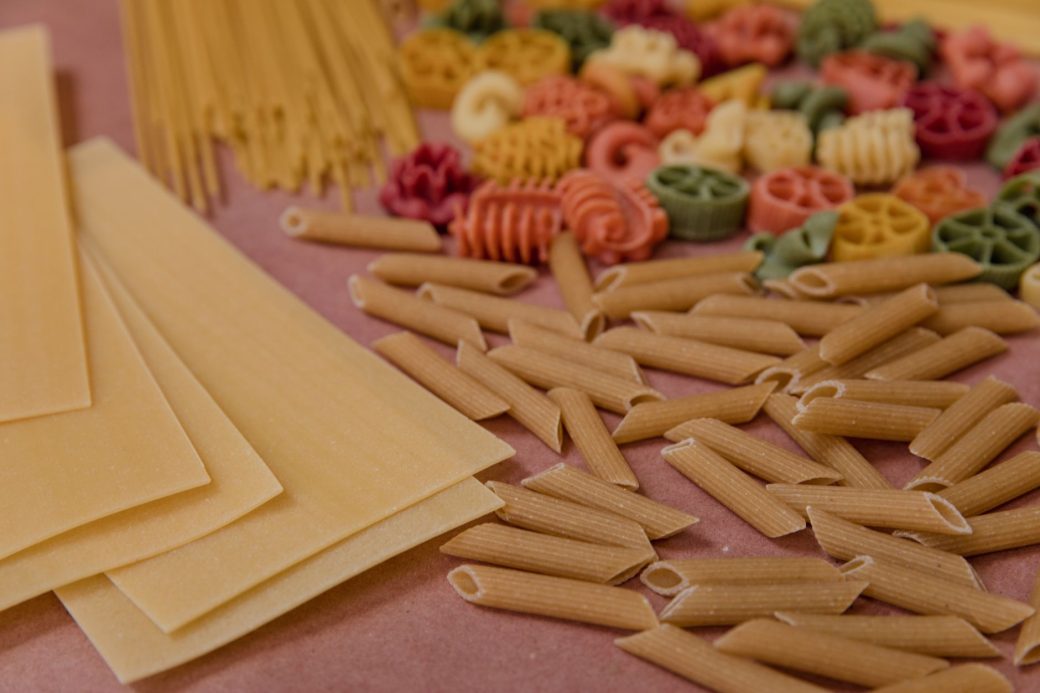
- Wholewheat pasta: around 75 g dry, higher in fibre than refined pasta.
- Potatoes: one medium potato, roughly 150 g, with the skin on for extra fibre.
These foods are where most people get the bulk of their carbohydrate. Wholegrain choices overlap heavily with our list of high fibre foods, which is worth browsing if you want to boost fibre.
Fruit and vegetable carbs
Fruit and starchier vegetables contain carbohydrate but also water, fibre and a wide range of nutrients. They are among the healthiest carb foods you can eat.
- Banana: one medium, around 25 to 30 g carbohydrate, a handy portable energy source.
- Apple or pear: one medium piece, roughly 20 to 25 g carbohydrate with useful fibre.
- Berries: a large handful, lower in carbohydrate and rich in antioxidants.
- Sweet potato: one medium, about 20 to 25 g carbohydrate plus vitamin A.
- Sweetcorn and peas: a few tablespoons, starchier vegetables that add fibre.
Fruit portions come up often, so if you want detail on a single food our banana calorie guide breaks one down closely.
Legumes and pulses
Beans, lentils and chickpeas are a standout category because they combine carbohydrate with plant protein and a great deal of fibre. They are affordable, filling and versatile.
- Lentils: around 3 heaped tablespoons cooked, rich in fibre and protein.
- Chickpeas: about 3 tablespoons, great in salads, curries and roasted as a snack.
- Kidney or black beans: roughly 3 tablespoons, a hearty base for many meals.
- Baked beans: half a standard tin, convenient but choose reduced sugar and salt versions.
Carb content at a glance
This table shows approximate carbohydrate per common portion to help with planning. Values are rounded estimates, not exact figures.
| Food | Portion | Rough carbohydrate |
|---|---|---|
| Cooked brown rice | 180 g | Around 45 g |
| Wholegrain bread | 2 slices | Around 30 to 40 g |
| Cooked oats | From 40 g dry | Around 27 g |
| Medium banana | 1 fruit | Around 25 to 30 g |
| Cooked lentils | 3 tablespoons | Around 15 g |
| Medium potato | 150 g | Around 25 to 30 g |
Tip: When you can, choose the wholegrain or higher fibre version of a carb food. The fibre slows digestion, helps you feel fuller and supports steadier energy, which makes portions easier to manage without counting every gram.

Carb free and very low carb foods
Truly carb free foods are limited to fats, oils, and pure protein such as plain meat, fish and eggs. Many people searching for carb free foods actually want very low carbohydrate options, which is a wider and more practical list.
- Naturally carb free: olive oil, butter, plain grilled chicken, fish and eggs.
- Very low carb vegetables: leafy greens, courgette, cucumber, mushrooms and peppers.
- Low carb extras: cheese, nuts and seeds in modest portions.
If you are deliberately cutting carbohydrate right down, our keto food plan and keto diet guide go into detail on very low carbohydrate eating. For everyone else, cutting carbohydrate to zero is neither necessary nor helpful.
How much carbohydrate do you need
There is no single right number, but for most people carbohydrate is meant to be a substantial part of the diet, with public health bodies suggesting it make up roughly half of total energy. The NHS recommends basing meals on higher fibre starchy carbohydrate, and the Harvard Nutrition Source stresses quality over quantity, favouring wholegrains and whole fruit over refined options.
Your needs depend on your size, activity and goals. Active people generally need more carbohydrate for fuel, while those managing blood sugar or aiming for weight loss may do better with somewhat less. A helpful measuring aid for portions is a simple digital kitchen scale in the budget tier, which makes the estimates above easy to apply without obsessing.
Some links are affiliate links and we may earn a small commission at no extra cost to you. We only suggest product types we would genuinely consider.
Making smart carb choices
The practical message is simple. Build meals around fibre rich, minimally processed carbohydrate such as wholegrains, beans, fruit and vegetables, and keep refined and sugary options as occasional extras. Portion sizes matter more than avoiding carbohydrate altogether, and pairing carbohydrate with protein and fibre helps steady your energy. For a wider view of building balanced meals, our nutrition guide ties the food groups together.
Note: This article is general information, not medical or personalised dietary advice. For guidance tailored to you, speak with a registered dietitian or your doctor.
Sources and further reading:
- NHS on starchy foods and carbohydrates.
- Harvard Nutrition Source on carbohydrate quality.
- Academy of Nutrition and Dietetics for portion and healthy eating guidance.
Have a question or a topic to suggest?
We read every message. Tell us what you would like to see next on the blog.
Get in touchYou may also like
Carbohydrates: The Complete Evidence-Based Guide
Carbs are praised as fuel and blamed for weight gain in equal measure. A dietitian explains what carbohydrates are, simple versus complex, the special role of fibre, how much you need, and how to choose carbs that support your health.
High Fiber Foods: Dietitian-Approved List With Portions
Most people eat too little fiber. This dietitian-approved list groups high fiber foods by type, gives realistic portions, and shows easy swaps to reach your daily target comfortably.
Keto Food Plan: Dietitian-Approved List With Portions
A categorised, dietitian-approved list of keto foods with realistic portions, plus a sample day and the swaps that make the plan easier to sustain.