Keto & Low Carb
Keto Food Plan: Dietitian-Approved List With Portions
Which foods fit a keto plan, which to limit, and roughly how much of each, grouped by category with portions and a sample day.
A keto food plan works by keeping carbohydrate low enough that your body shifts toward using fat for most of its fuel. That sounds complicated, but in practice it comes down to knowing which foods fit, which to limit, and roughly how much of each to eat. This dietitian-approved list groups the main keto-friendly foods by category, gives realistic portions, and flags the swaps that make the plan easier to live with.
How a keto food plan works
A ketogenic pattern typically caps carbohydrate at a low level, keeps protein moderate, and gets the bulk of its energy from fat. When carbohydrate stays low, the body increases production of ketones and leans more on fat for fuel, a state known as ketosis. You do not need to memorise the biochemistry to eat this way, but it helps to understand why the food choices look the way they do. For the wider picture, our guide to ketosis explains the mechanism in plain terms.
The practical takeaway is simple: build meals around low-carb vegetables, protein and fats, and treat starchy foods, sugar and most fruit as things to limit. This page is a food list rather than a full meal plan, so if you want structured menus and a shopping list, see our keto menu plan.
Proteins to build meals around
Protein anchors most keto meals. Keep portions moderate rather than unlimited, since very high protein intakes are not the goal here.
- Eggs: around 2 to 3 eggs, close to zero carbohydrate and a flexible base for any meal.
- Poultry: a palm-sized portion of chicken or turkey, roughly 100 to 150g cooked.
- Fish and seafood: a fillet of salmon, mackerel or white fish, about 120 to 150g, a couple of times a week.
- Red meat: beef or lamb in modest portions, ideally not as an everyday centrepiece.
- Tofu and tempeh: a plant option at around 100 to 150g for those keeping meat lower.
Because protein needs vary from person to person, use these as starting points rather than fixed rules. Our protein guide covers how to estimate a sensible target for your body and activity level.
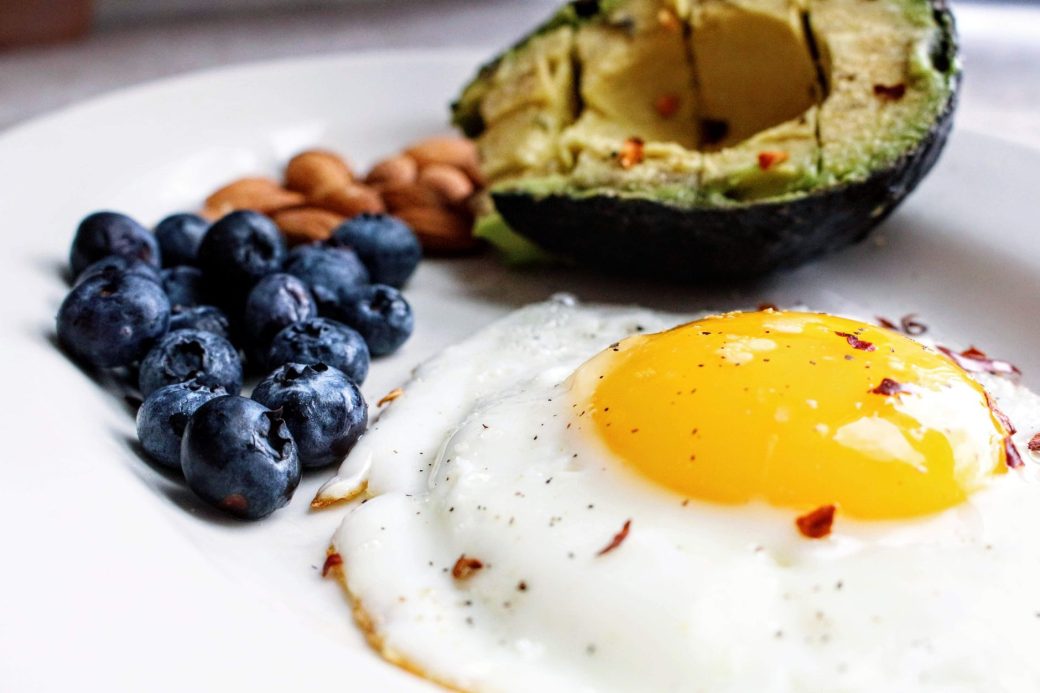
Low-carb vegetables
Vegetables are where a lot of keto plans fall short. Non-starchy vegetables add fibre, volume and micronutrients for very little carbohydrate, so fill at least half your plate with them.
- Leafy greens: spinach, kale, rocket and lettuce, essentially unlimited at typical portions.
- Cruciferous vegetables: broccoli, cauliflower and cabbage, around 80 to 150g cooked.
- Other low-carb picks: courgette, peppers, mushrooms, asparagus and green beans, a generous handful each.
- Avocado: half to a whole avocado, high in fat and fibre and technically a fruit.
Fibre matters more than usual on keto, since cutting grains and fruit can drop your intake quickly. If constipation creeps in, our list of high fibre foods for constipation can help you top up without breaking ketosis.
Fats and oils
Fat supplies most of the energy on keto, but that does not mean drowning everything in oil. Use fat to make meals satisfying, not as a target to hit for its own sake.
- Olive oil: extra virgin olive oil for dressings and low-heat cooking, about 1 tablespoon per serving.
- Butter and ghee: a small knob for cooking, used with a lighter hand.
- Nuts and seeds: a 20 to 30g handful of almonds, walnuts or pumpkin seeds, watching the carb-heavier ones like cashews.
- Fatty fish and avocado: whole-food sources that bring fat alongside other nutrients.
Tip: Prioritise fat that comes packaged with other nutrients, such as oily fish, nuts, seeds and avocado, over spoonfuls of pure oil or butter. You get the same energy plus fibre, protein or omega-3s.
Foods to limit or avoid
These are the foods that quickly use up a low carb allowance. You do not have to fear them forever, but they rarely fit a strict keto day.
- Grains and starches: bread, rice, pasta, oats and cereal.
- Sugary foods and drinks: sweets, desserts, fruit juice and regular soft drinks.
- Most fruit: bananas, grapes and mango are high in sugar; berries in small amounts are the usual exception.
- Starchy vegetables: potatoes, sweet potatoes and sweetcorn.
- Legumes: beans, lentils and chickpeas, which carry more carbohydrate than they first appear to.
If you are weighing keto against other approaches, it is worth seeing where those carb foods sit in a balanced diet before cutting them out wholesale.
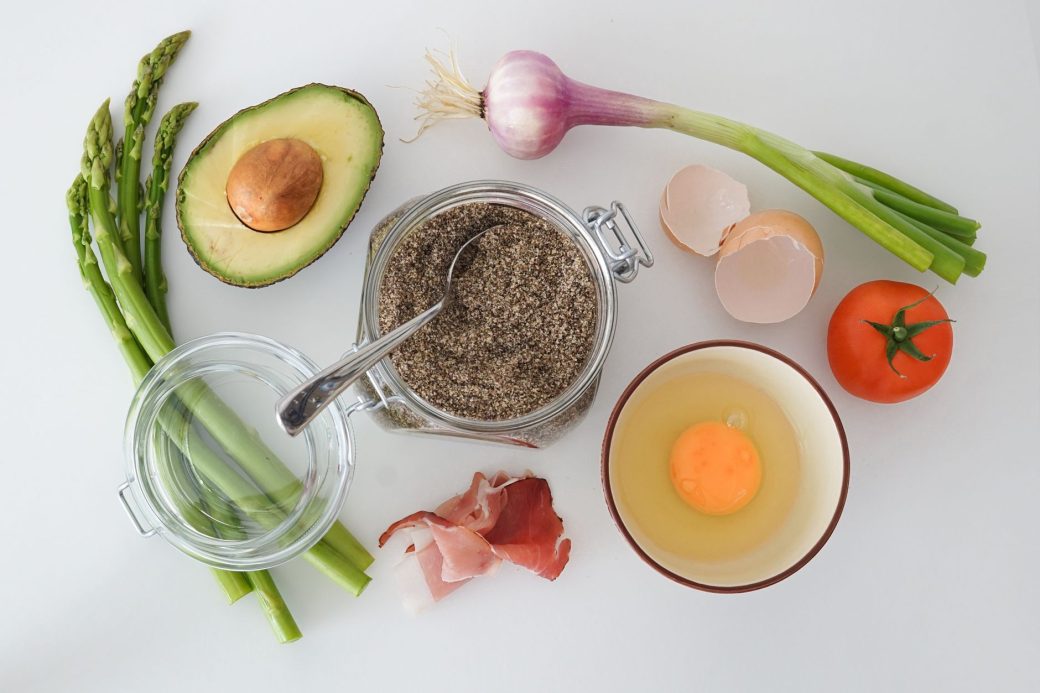
A sample day with portions
This is an illustration of how the categories fit together across a day, not a prescription. Adjust portions to your appetite, goals and activity.
| Meal | Example | Rough portion |
|---|---|---|
| Breakfast | Scrambled eggs with spinach and avocado | 2 to 3 eggs, half an avocado |
| Lunch | Grilled chicken salad with olive oil dressing | 1 large plate, 120g chicken |
| Snack | Handful of almonds and a few berries | 20 to 30g nuts |
| Dinner | Baked salmon with roasted broccoli and courgette | 1 fillet, 150g vegetables |
| Extras | Water, tea or coffee, herbs and spices | To taste |
Getting portions right is easier at first if you weigh a few foods rather than guessing. A basic kitchen scale takes the uncertainty out of the early weeks, and you can move to eyeballing once you have a feel for servings.
Some links are affiliate links and we may earn a small commission at no extra cost to you. We only suggest product types we would genuinely consider.
Making the plan sustainable
The hardest part of keto is usually not starting it but keeping it going. A few habits make the difference: plan meals ahead so you are not caught out, keep quick options like eggs and tinned fish on hand, and stay on top of fluids and vegetables. Many people also notice a short adjustment period in the first week as the body adapts, which tends to settle. For the full background on how the pattern is structured and who it suits, our ketogenic eating plan guide goes deeper.
Reputable health bodies such as the NHS note that very low carbohydrate diets can help some people in the short term but are not suitable for everyone, especially those with certain medical conditions. The Harvard Nutrition Source similarly stresses food quality within any low-carb approach.
Note: This article is general information, not medical or personalised dietary advice. For guidance tailored to you, speak with a registered dietitian or your doctor.
Sources and further reading:
- NHS for guidance on low carbohydrate and weight management approaches.
- Harvard Nutrition Source for a balanced overview of ketogenic diets.
- British Dietetic Association for evidence-based food fact sheets.
Have a question or a topic to suggest?
We read every message. Tell us what you would like to see next on the blog.
Get in touchYou may also like
Keto Menu Plan: Dietitian-Designed Plan With Shopping List
A dietitian-designed keto menu plan with a seven-day sample menu, macros, portions, and a printable shopping list you can adapt to your own tastes and needs.
Ketogenic Eating Plan: The Complete Evidence-Based Guide
What a ketogenic eating plan involves, what the research genuinely supports, the trade-offs and side effects, and who it does and does not suit.
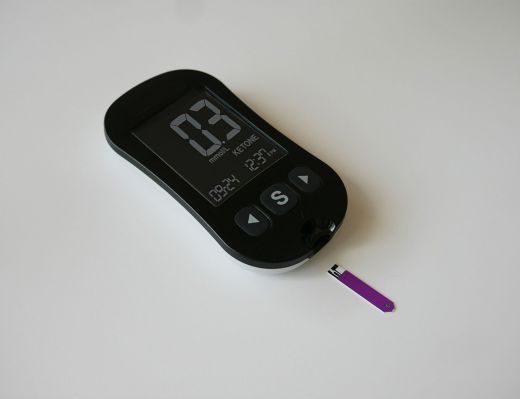
Ketosis: The Complete Evidence-Based Guide
Ketosis is a normal metabolic state where your body runs largely on fat and ketones. Here is what it actually is, how you enter it, what research supports, and who should be cautious.