Product Review
Fairlife Protein Shake: A Dietitian's Honest Review (2026)
What is really in the bottle, how the nutrition stacks up, who Fairlife suits, and where a cheaper option serves you just as well.
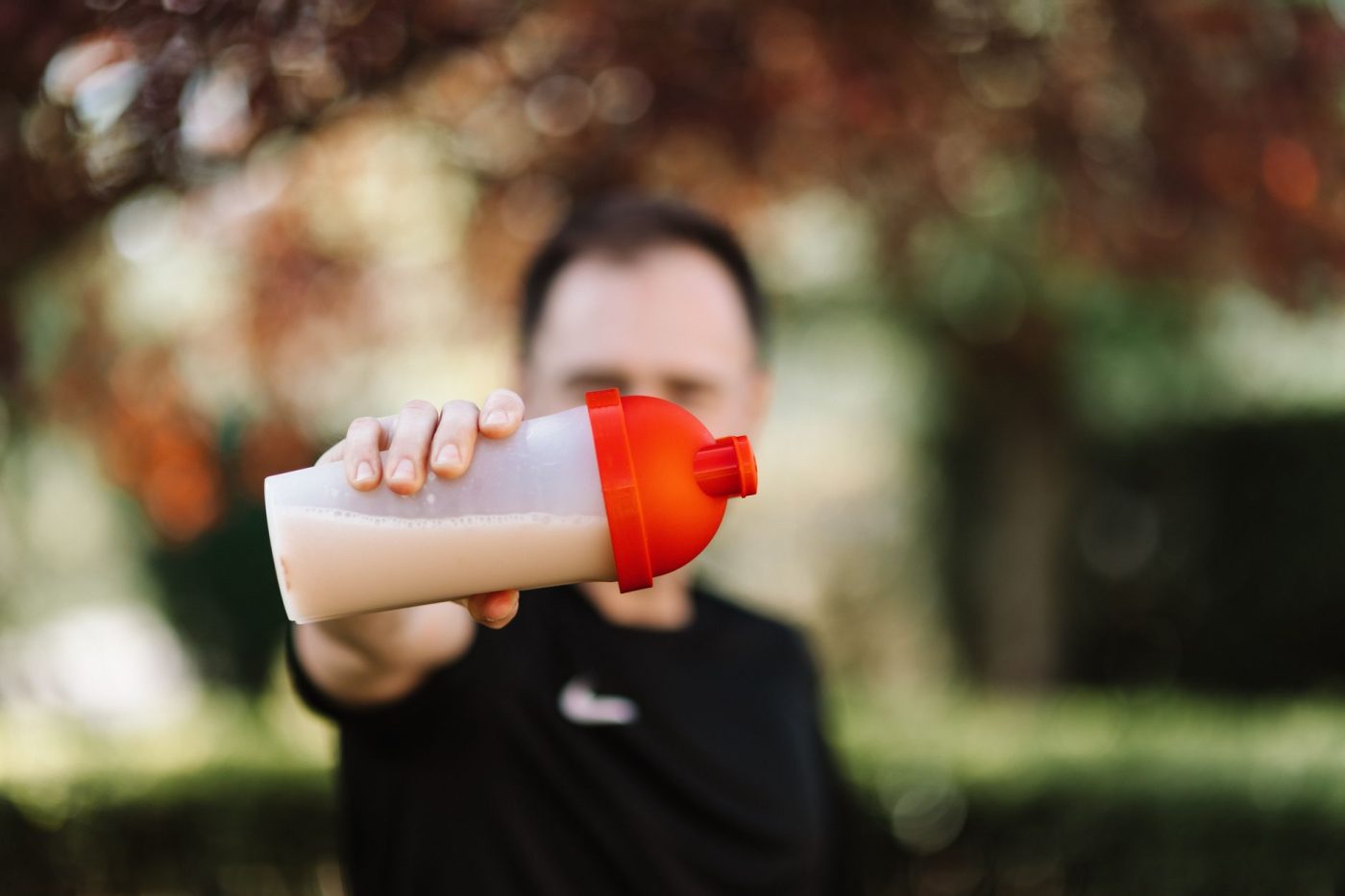
Fairlife protein shakes have become a supermarket and gym-bag staple, praised for a clean label, a thick milkshake texture and a big protein number on the front. This is an independent, dietitian-style review: what is actually in the bottle, how the nutrition stacks up, who it genuinely suits, and where a cheaper option would serve you just as well. No hype, no affiliation with the brand, just an honest read of the label and the evidence behind it.
What Fairlife actually is
Fairlife is a range of ultra-filtered dairy products. Its protein shakes, sold most widely under the Core Power line, are made from ultra-filtered milk rather than a dried protein powder reconstituted with water. Ultra-filtration passes milk through fine membranes that concentrate the protein and remove most of the lactose, which is why the shakes can carry a high protein figure while still being suitable for many people who find regular milk uncomfortable.
The brand is owned by Coca-Cola, which matters only in that it explains the wide distribution and consistent supply rather than anything about the nutrition. The core selling points are real: a naturally complete dairy protein, a smooth ready-to-drink format, and a taste most people find far more pleasant than mixing powder in a shaker. A shake is still a food, not a supplement with special powers, and that framing is worth keeping as we look at the numbers.
- Ultra-filtered milk base: concentrates natural whey and casein instead of using an added protein isolate as the only source.
- Low in lactose: the filtration removes most milk sugar, so it suits many people with mild lactose intolerance.
- Ready to drink: no mixing, no lumps, no shaker to wash, which is the entire convenience case.
Reading the label honestly
The headline is protein. Depending on the exact product and size, a Fairlife Core Power bottle typically delivers somewhere between roughly 26 and 42 grams of protein, which is a genuinely high dose in a single drink. That protein is dairy-derived, so it is complete, containing all the essential amino acids and a healthy dose of leucine, the amino acid most associated with triggering muscle protein synthesis.
Beyond protein, the shakes are relatively low in fat and carbohydrate, and many versions are sweetened with a combination of a little natural sugar from the milk and non-nutritive sweeteners such as sucralose. That keeps calories modest for the protein delivered, which is the main reason the product performs well for people watching intake. If artificial sweeteners bother you, that is a valid personal preference rather than a safety concern for most people, and it is the single most common reason someone dislikes the range.
| Component | Approximate per bottle | What it means |
|---|---|---|
| Protein | 26 to 42 g | High, complete dairy protein with good leucine content |
| Calories | 150 to 250 kcal | Modest for the protein delivered |
| Carbohydrate | Low, often single digits | Most lactose removed by filtration |
| Fat | Low to moderate | Varies by full-fat or reduced-fat version |
| Sweeteners | Often includes sucralose | Keeps sugar and calories down; a taste preference issue |
Treat those figures as approximate and always check the specific bottle, since formulations and sizes differ across regions and product lines. The pattern, though, is consistent: high protein, low sugar, moderate calories. For the wider context on daily protein targets and how a shake fits into them, our complete evidence-based protein guide is the place to start.

How it compares with powder and whole food
The most useful comparison is not Fairlife against other ready-to-drink shakes, but Fairlife against the two cheaper ways to hit the same protein target: powder mixed at home, and ordinary high-protein food. On protein quality, all three are excellent. Dairy protein from a shake is not superior to the protein in Greek yoghurt, milk, eggs or chicken; it is simply more portable.
- Versus protein powder: Fairlife wins on taste and zero preparation, but a tub of powder is dramatically cheaper per serving. Browse whey protein powder if cost per gram is your priority.
- Versus ready-to-drink rivals: the ultra-filtered milk base gives a creamier texture than many whey-isolate bottles; compare ready-to-drink protein shakes across brands and tiers.
- Versus whole food: a large pot of Greek yoghurt or a chicken breast delivers similar protein for less money, though not in a grab-and-go bottle.
Some links are affiliate links and we may earn a small commission at no extra cost to you. We only suggest product types we would genuinely consider.
The honest conclusion is that Fairlife is a premium convenience product. You pay a clear markup for the ready-to-drink format and the pleasant texture. Whether that markup is worth it depends entirely on how much you value convenience, which is a personal call rather than a nutritional one. Our reviews of the best protein powders and whey protein powder lay out the cheaper alternatives in detail.
Who it genuinely suits
A product this focused suits some people brilliantly and offers little to others. Matching the tool to the job is the whole game.
- Busy people: anyone who repeatedly misses protein at breakfast or lunch and wants a reliable, no-prep top-up.
- Gym-goers on the go: a convenient post-training option when a kitchen is not nearby.
- People with mild lactose intolerance: the filtration removes most lactose, so many tolerate it better than regular milk.
- Those in a calorie deficit: high protein and high satiety for relatively few calories, which supports appetite control.
- Older adults: a palatable, easy way to lift protein when appetite or chewing makes whole food harder.
If your meals already deliver plenty of protein, a Fairlife shake is a convenience purchase, not a nutritional upgrade. For whole-food alternatives that do the same job, see our lists of high protein foods and high protein snacks.
Tip: If you like the shake but not the price, buy powder for home and keep one or two ready-to-drink bottles only for genuinely busy days. You get the convenience where it counts without paying the premium every serving.
Who should be cautious or skip it
No single product suits everyone. A few groups should think twice before making Fairlife a daily habit.
- People with a milk allergy: this is dairy protein, so it is unsuitable for anyone with a true milk allergy, which is different from lactose intolerance.
- Those who dislike sweeteners: if non-nutritive sweeteners give you an aftertaste or you prefer to avoid them, this range will frustrate you.
- People with kidney disease: anyone advised to manage protein intake should follow their clinician rather than chase a high-protein product.
- Budget-focused shoppers: if cost per gram of protein is the priority, powder or whole food wins comfortably.
For most healthy adults, though, there is no safety issue with a shake or two a day as part of a varied diet. The NHS Eat Well guidance is clear that supplements and convenience protein products are optional extras rather than dietary essentials, and that a balanced everyday diet meets most people's needs.
Marketing versus reality
Fairlife's marketing is more restrained than many sports supplements, which is to its credit, but a few implied messages still deserve a reality check. A high protein number on the front does not mean you need that much in one sitting, and it does not make the shake a weight-loss product in its own right.
- "High protein" does not mean "eat more protein": your daily total is what matters, and most people hit it without adding a single shake.
- Filtered and clean labels are marketing framing: the milk is a genuinely good protein source, but ultra-filtration is a processing method, not a health halo.
- A shake will not burn fat: protein is satiating and supports lean mass in a deficit, but no drink melts fat on its own.
The Academy of Nutrition and Dietetics consistently promotes a food-first approach, with supplements and convenience products filling real gaps rather than forming the base of a diet. Fairlife fits that model well when used as an occasional gap-filler and poorly when treated as a health essential. If you want to understand where any protein shake fits in the bigger picture, our guide to what the evidence says about protein shakes gives the full framework.
The verdict
Fairlife Core Power is a well-made, high-protein, low-sugar convenience drink with a genuinely pleasant texture and good tolerance for people who struggle with lactose. It does exactly what it claims: delivers a large dose of complete dairy protein in a portable bottle. The catch is price. You pay a clear premium over powder or whole food for the convenience and the taste.
Our honest recommendation: if you value grab-and-go protein and you use it to plug real gaps in a busy day, it earns its place. If you are chasing the cheapest way to hit your protein target, or your meals already cover it, powder or ordinary high-protein food will serve you better. It is a good product, matched to the right person, and an unnecessary expense for the wrong one. Match the tool to the job, and let your everyday meals do most of the work.
Note: This article is general information, not medical or personalised dietary advice. For guidance tailored to you, speak with a registered dietitian or your doctor.
Sources and further reading
Have a question or a topic to suggest?
We read every message. Tell us what you would like to see next on the blog.
Get in touchYou may also like
Protein Shakes: What the Evidence Actually Says
Strip away the marketing and a protein shake is just a convenient, measured dose of protein. Here is what the evidence actually supports, how to dose it, and who genuinely benefits.
Best Protein Powder: What the Evidence Actually Says
There is no single best protein powder for everyone. Compare whey, casein, and plant types, learn what the evidence supports, how much you need, and which marketing claims to ignore.
Whey Protein Powder: What the Evidence Actually Says
Whey protein powder is convenient, effective, and heavily hyped. Learn its three forms, what the evidence supports, how much you need, and how to choose a good one without overpaying.