Nutrition Basics
Healthy Protein Snacks: Dietitian-Approved List With Portions
Protein snacks that satisfy: portion-by-portion ideas across dairy, plant-based and lower-calorie choices, plus how to build a balanced snack.
Healthy protein snacks are one of the easiest wins in everyday eating. A protein-rich snack helps steady your appetite between meals, supports muscle maintenance and stops the mid-afternoon slump that sends many of us to the biscuit tin. This dietitian-style list gives you real options with portion guidance, so you can snack with a purpose rather than out of habit.
Why protein snacks work
Protein is the most filling of the three main macronutrients, so a snack built around it tends to keep hunger at bay longer than one built on refined carbohydrate alone. Pairing protein with fibre slows digestion further, which helps blunt the sharp rise and fall in energy that leaves you reaching for something sweet an hour later.
Snacks are not inherently good or bad. Their value depends on what they are made of and how they fit your overall day. A well-chosen protein snack can top up your daily intake, support recovery after activity, and bridge a long gap between meals. For the bigger picture on the nutrient, see our protein guide, and for whole meals our high protein meals guide.
There is also a practical reason protein snacks earn their place for people trying to eat more protein overall. Most of us find it easy to hit our target at dinner but fall short earlier in the day. A protein-forward snack in the morning or afternoon quietly closes that gap without needing a bigger meal, which is especially useful for older adults and anyone active who has raised needs. In other words, snacks are not just a treat to manage, they can be a genuine tool for balancing intake across the day.
How much protein in a snack
A useful target for a snack is somewhere around ten to twenty grams of protein, enough to be satisfying without turning into a full meal. Portion size matters as much as food choice, since even healthy foods such as nuts add up quickly. The table below shows realistic portions and their approximate protein content.
| Snack | Portion | Approx protein |
|---|---|---|
| Greek yoghurt, plain | 150g pot | Around 15g |
| Hard-boiled eggs | 2 eggs | Around 12g |
| Cottage cheese | 100g | Around 11g |
| Roasted chickpeas | Small handful, 40g dry equivalent | Around 7g |
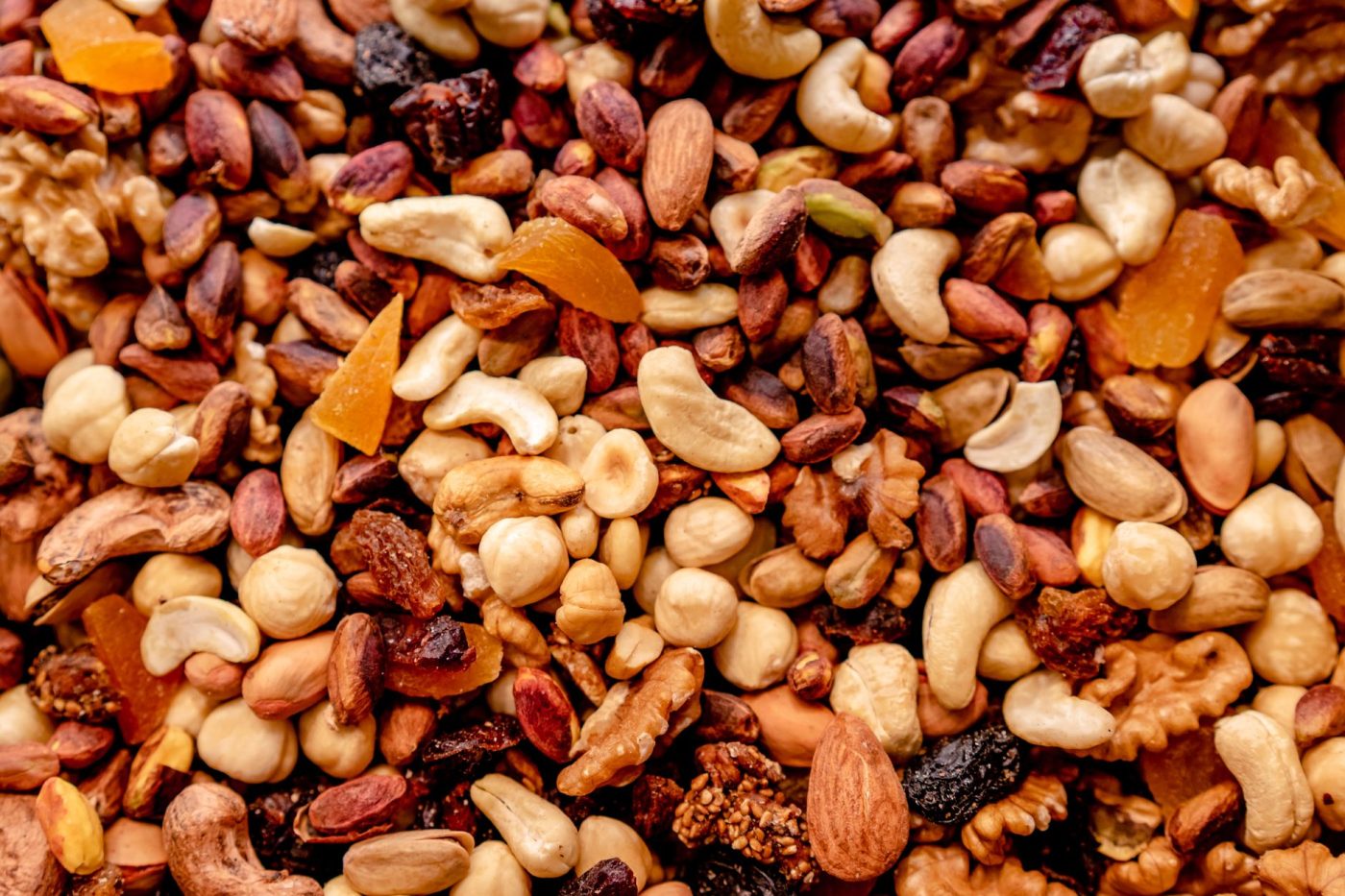
| Mixed nuts | Small handful, 30g | Around 6g |
| Edamame, shelled | 80g | Around 9g |
| Tuna, tinned in water | Half a small tin, 60g | Around 15g |
Food facts are approximate and vary by brand and preparation, so treat them as a guide. For a broader catalogue of options, our high protein snacks list has more.
Dairy-based snacks
Dairy is a convenient, protein-dense category that also supplies calcium and, in fermented forms, some beneficial bacteria.
- Greek yoghurt: around 15g protein per 150g pot, ideal with berries and a few seeds for fibre.
- Cottage cheese: around 11g per 100g, good on wholegrain crackers or with sliced tomato.
- A small piece of cheese: pairs well with an apple or pear for a balanced mix of protein, fat and fibre.
Choosing plain, unsweetened versions lets you control added sugar. A drizzle of honey or a handful of fruit does the sweetening job with more nutrition than flavoured pots, which often carry surprising amounts of sugar.
Skyr and quark are two other dairy options worth knowing. Both are strained, giving them a thick texture and a high protein content per serving, and both work well plain or stirred with fruit. If you find plain versions too sharp, blending in a little fruit or a spoonful of nut butter softens the flavour while keeping the protein high. For anyone reducing dairy, unsweetened soya yoghurt is the closest plant match on protein, whereas most other plant yoghurts are considerably lower and better treated as a carbohydrate snack than a protein one.
Plant-based snacks
Plant foods make excellent protein snacks and bring fibre along for the ride, which helps with fullness and gut health.
- Edamame: around 9g protein per 80g, lightly salted and steamed.
- Roasted chickpeas: crunchy, portable and around 7g per small handful.
- Hummus with vegetable sticks: combines protein and fibre, satisfying and easy to prep.
- Nuts and seeds: around 6g per 30g handful, best kept to a measured portion because they are calorie-dense.
For anyone eating more plants, our protein rich foods and vegan diet guides show how to cover protein needs comfortably without animal foods.
A few more plant options are worth keeping in the rotation. Roasted soya beans and dry-roasted peanuts are protein-dense and shelf-stable, ideal for a desk drawer or gym bag. Peanut butter or another nut butter on wholegrain toast or apple slices pairs protein with fibre for a genuinely filling snack, though a level tablespoon is a sensible portion given how calorie-dense it is. Wholegrain crackers with a bean dip, or a small pot of three-bean salad, add both protein and fibre with very little effort. Because plant snacks bring fibre alongside protein, they tend to be especially good at holding hunger at bay, which is why they feature so often in balanced snacking plans.
Tip: Prep a grab bag of portioned snacks at the start of the week. Boiling a batch of eggs, portioning nuts into small bags and roasting a tray of chickpeas means a good choice is always the easy choice when hunger strikes.
High protein, lower calorie options
If you are watching overall calories, you can lean on snacks that deliver protein without much energy. Lean, water-rich and high-volume choices tend to satisfy on fewer calories.
- Plain Greek yoghurt with berries: filling, high protein and naturally low in energy.
- Tinned tuna or a couple of eggs: lean protein that keeps hunger down.
- Edamame or a small cottage cheese pot: protein-forward with modest calories.
These pair naturally with the ideas in our low calorie snacks list. Snacking with protein in mind can make a calorie target easier to hold, as covered in our high protein diet for weight loss guide.
Convenient and shop-bought options
Real life is busy, and there is nothing wrong with a packaged snack when it fits your needs. The trick is to read labels rather than trust the front of pack. Many products marketed as high protein are also high in sugar or saturated fat, and the word protein on the packaging tells you nothing about the rest of the ingredients. A quick glance at the per-serving protein figure alongside the sugar and saturated fat content usually tells you all you need to know.
Protein bars vary enormously, so it is worth comparing the label rather than the branding, as our guide to protein bars explains. When you want a quick shake, a basic protein powder mixed with milk makes a solid snack, and prices span budget tubs to premium isolates. Look for a short ingredient list and a sensible sugar content.
Some links are affiliate links and we may earn a small commission at no extra cost to you. We only suggest product types we would genuinely consider.
Building a balanced snack
The most satisfying snacks usually combine protein with fibre and a little healthy fat. That trio slows digestion and steadies energy, which is why plain yoghurt with fruit and seeds beats a flavoured yoghurt alone, and why an apple with a small handful of nuts beats the apple by itself.
Keep an eye on portions, favour whole foods most of the time, and let packaged options be the exception rather than the rule. Guidance from the NHS and the Harvard Nutrition Source both point to the same principle: build snacks from minimally processed foods and mind the total across the day. The British Dietetic Association offers further practical fact sheets on healthy snacking.
Finally, it is worth checking in on why you are reaching for a snack in the first place. Genuine hunger between meals is a good reason, and a protein snack answers it well. Boredom, stress or simply passing the biscuit tin are different signals, and no snack fixes those. A useful habit is to pause and ask whether a glass of water and ten minutes would settle the urge, and if real hunger remains, to choose one of the portioned options above rather than eating straight from a packet. Small structure like this turns snacking from something that undermines your day into something that supports it.
Note: This article is general information, not medical or personalised dietary advice. For guidance tailored to you, speak with a registered dietitian or your doctor.
Sources and further reading:
- NHS for healthy snacking and balanced eating.
- Harvard Nutrition Source for protein and snack quality.
- British Dietetic Association for dietitian-reviewed snack guidance.
Have a question or a topic to suggest?
We read every message. Tell us what you would like to see next on the blog.
Get in touchYou may also like
High Protein Snacks: Dietitian-Approved List With Portions
The best high-protein snacks keep you fuller and help you hit your daily target. Here is a categorised list with realistic portions, protein amounts and easy prep ideas.
Low Calorie Snacks: Dietitian-Approved List With Portions
The snack is rarely the problem, the portion is. This dietitian-approved list gathers filling low-calorie snacks with realistic portions and approximate calories.
Protein Bars: The Complete Evidence-Based Guide
Some protein bars earn a place in a busy day, others are chocolate bars with extra protein. A dietitian explains what protein bars are, when they genuinely help, how to read the label, and how they compare with whole foods and shakes.