Food Lists With Portions
Fiber Foods: Dietitian-Approved List With Portions
The best everyday fibre foods with portions you can picture, plus simple swaps to move from the average 20g towards the recommended 30g a day.
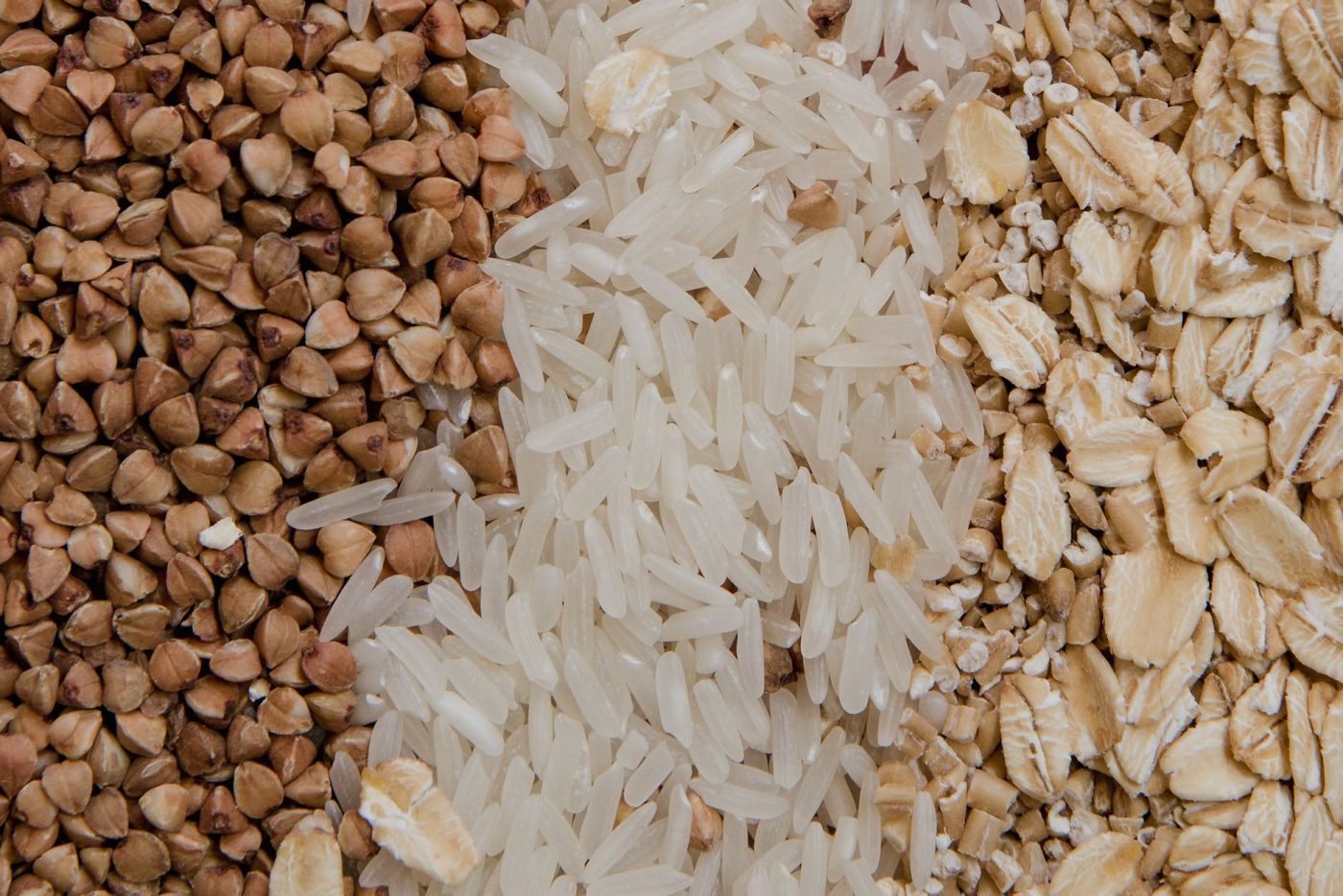
Fibre is the quiet workhorse of a healthy diet. It keeps digestion regular, feeds the bacteria in your gut, steadies blood sugar and helps you feel full for longer, yet most people fall short of the recommended intake. The good news is that closing the gap is straightforward once you know which everyday foods carry the most fibre and roughly how much a normal portion delivers. This dietitian-approved list gives you exactly that, with portions you can picture.
What fibre is and why it matters
Fibre is the part of plant foods your body cannot fully digest. Instead of being broken down for energy like other carbohydrates, it passes through the gut doing useful work along the way. There are two broad types, and a varied diet naturally includes both.
- Soluble fibre: dissolves into a gel, slows digestion, helps steady blood sugar and can lower cholesterol; found in oats, beans, apples and barley.
- Insoluble fibre: adds bulk and helps food move through the gut, supporting regularity; found in wholegrains, nuts, seeds and vegetable skins.
The UK NHS recommends around 30 grams of fibre a day for adults, yet average intakes sit closer to 20 grams. That shortfall is easy to fix with a few deliberate swaps rather than any dramatic overhaul, and because fibre-rich foods tend to be nutritious across the board, hitting the target usually improves the wider quality of your diet at the same time. In other words, chasing fibre quietly pulls the rest of your eating in a healthier direction.
The benefits backed by evidence
Fibre is one of the most consistently beneficial components of the diet, and the evidence behind it is unusually strong and stable. Higher intakes are linked with better digestive health, lower risk of heart disease and type 2 diabetes, and easier weight management, and these benefits show up across large populations over many years rather than resting on any single study. Harvard's Nutrition Source highlights fibre's role in slowing the absorption of sugar and supporting a healthy gut microbiome.
- Digestive regularity: fibre adds bulk and softens stool, easing constipation; see our high fibre foods for constipation guide.
- Fullness: high-fibre meals are more filling per calorie, which supports appetite control and weight goals.
- Blood sugar: soluble fibre blunts the rise in blood glucose after eating.
- Heart health: soluble fibre helps lower LDL cholesterol as part of a balanced diet.
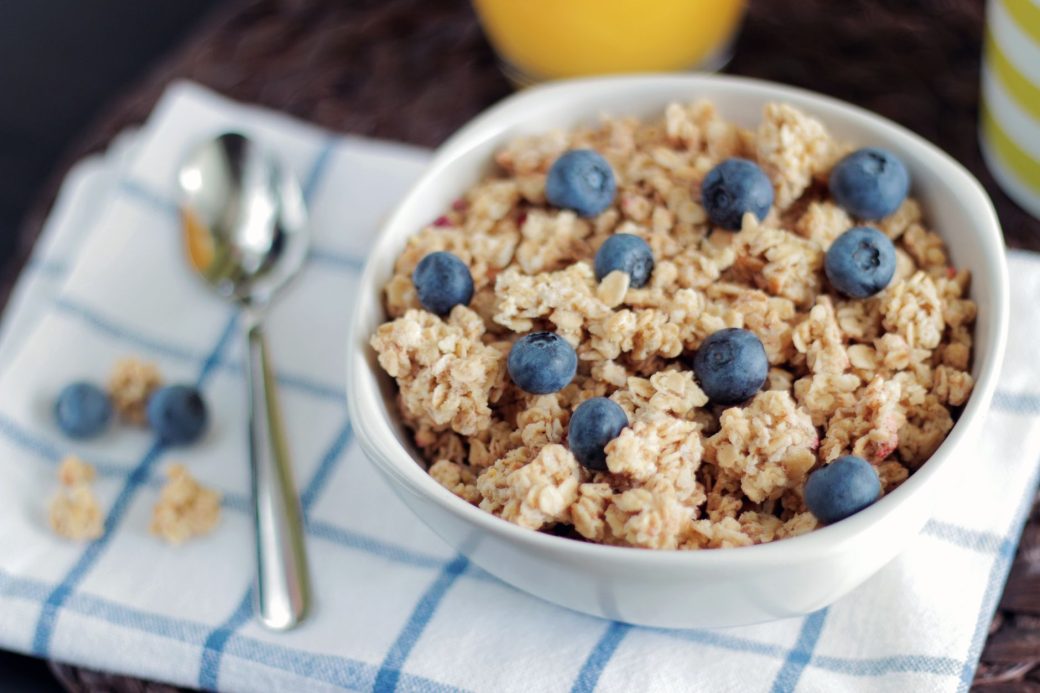
The high-fibre foods list with portions
Below are dependable, widely available fibre sources grouped by category, with the approximate fibre in a normal serving. Figures are rounded and vary a little by brand and ripeness, so use them as a practical guide rather than exact lab values.
| Food | Typical serving | Approx. fibre |
|---|---|---|
| Cooked lentils | 1 cup (about 200 g) | 15 g |
| Black beans, cooked | 1 cup (about 170 g) | 15 g |
| Chia seeds | 2 tbsp (about 25 g) | 10 g |
| Raspberries | 1 cup (about 125 g) | 8 g |
| Rolled oats, dry | 1/2 cup (about 40 g) | 4 g |
| Wholemeal bread | 2 slices | 5 g |
| Baked potato with skin | 1 medium | 4 g |
| Broccoli, cooked | 1 cup (about 155 g) | 5 g |
| Apple with skin | 1 medium | 4 g |
| Almonds | Small handful (about 30 g) | 4 g |
Tip: Fibre needs its partner, water. As you increase fibre, drink more fluid so the extra bulk moves smoothly rather than causing discomfort.
Best sources by food group
Spreading fibre across food groups gives you a wider range of nutrients and keeps meals interesting. Here is where the biggest wins hide.
- Pulses: lentils, chickpeas and beans are the single richest everyday source; a spoonful stirred into soups or salads adds fibre invisibly.
- Wholegrains: oats, wholemeal bread, brown rice and wholewheat pasta beat their refined versions by a wide margin.
- Fruit and vegetables: berries, pears, apples, broccoli and leafy greens deliver fibre plus vitamins and antioxidants.
- Nuts and seeds: chia, flax, almonds and sunflower seeds pack fibre into small, snackable portions.
If you want to see how these fit into a wider plan, our high fibre foods list and fibre rich foods guide cover more options, and our carb foods list shows where fibre sits among carbohydrates.
Easy ways to add more fibre
Reaching 30 grams a day rarely needs new recipes, just small upgrades to what you already eat. Stack a few of these and the target arrives without effort.
- Swap the grain: choose wholemeal bread, brown rice and wholewheat pasta over white versions.
- Keep the skins: leave the peel on potatoes, apples and pears where it is edible.
- Add a scoop: stir a spoon of beans, lentils or chia into soups, stews, porridge and salads.
- Snack on plants: reach for fruit, veg sticks, nuts or popcorn instead of low-fibre processed snacks.
If food alone falls short, a fibre supplement can bridge occasional gaps, though whole foods should stay the foundation. Our fibre supplement review explains when they help.
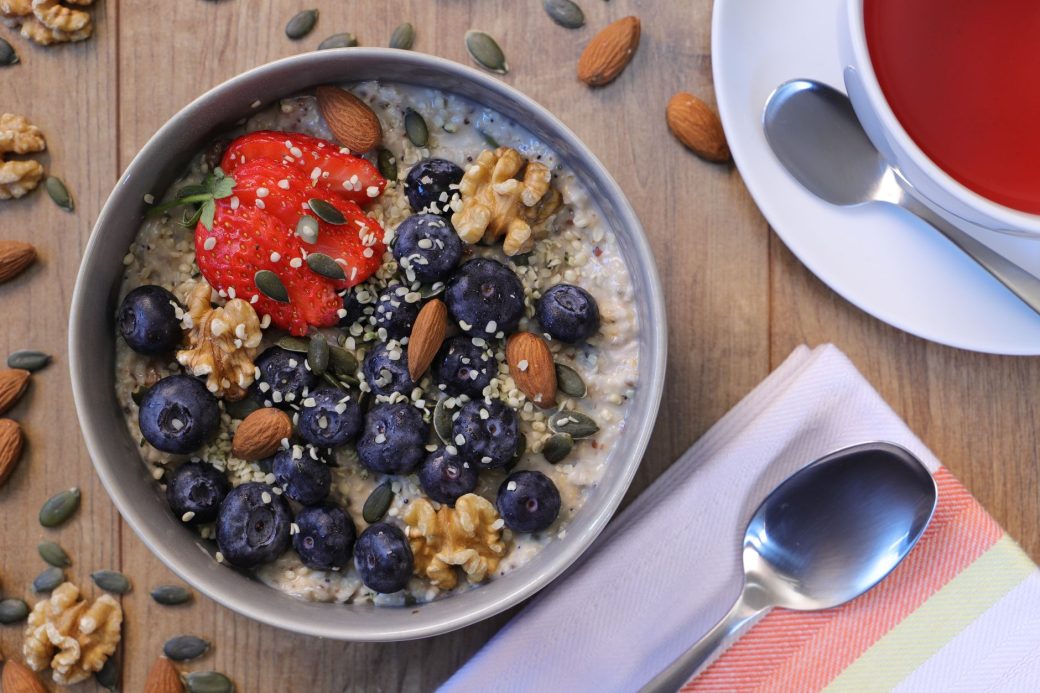
Helpful pantry additions
You do not need special products to eat more fibre, but a few pantry staples make it easier to hit your target on busy days.
Some links are affiliate links and we may earn a small commission at no extra cost to you. We only suggest product types we would genuinely consider.
- Chia and flax seeds: a jar of chia seeds or ground flax adds fibre to porridge, yoghurt and smoothies in seconds.
- Rolled oats: a bag of rolled oats is one of the cheapest fibre sources per serving.
- Psyllium husk: for a gentle soluble-fibre top-up, psyllium husk mixes into water or baking.
Choose plain versions without added sugar where possible, and increase fibre gradually over a week or two so your gut can adjust comfortably.
Going slow and steady
The most common mistake is jumping from a low-fibre diet to a very high one overnight. That can cause bloating, gas and cramps, which puts people off before they feel the benefits. Build up over one to two weeks, drink plenty of water, and spread fibre across meals rather than loading it all at once. The British Dietetic Association offers practical, balanced guidance on doing this well.
For most people, a gradual, varied approach to plant foods is all it takes to move from the average 20 grams towards the recommended 30, with real gains in digestion, fullness and long-term health.
Matching fibre to your goals
Fibre is useful for everyone, but the reason you focus on it can shape which foods you prioritise. Understanding the two types in practice helps you steer your choices rather than eating more of everything at random.
- For regularity: lean towards insoluble fibre and fluid, such as wholegrains, vegetable skins, nuts and seeds, which add bulk and keep things moving.
- For blood sugar and cholesterol: favour soluble fibre from oats, barley, beans, apples and citrus, which forms a gel that slows absorption.
- For weight management: combine both types with protein at meals, since high-fibre, high-protein plates are the most filling per calorie.
- For gut health: aim for variety across many plants, since different fibres feed different beneficial bacteria.
In everyday eating you rarely need to separate the two, because most fibre-rich foods contain a mix. Prioritising a wide range of plants naturally covers both, which is why variety beats chasing any single "best" fibre food. For weight-focused eating, our low calorie foods list pairs well with a high-fibre approach.
It also helps to sidestep a few predictable mistakes that stop people getting the full benefit of fibre, and all of them are easy to avoid once you know them.
- Ramping up too fast: a sudden jump causes gas and bloating; build up gradually over one to two weeks.
- Forgetting fluid: fibre works best with plenty of water, so hydration has to rise alongside intake.
- Relying on supplements: a fibre supplement can help, but it lacks the vitamins, minerals and variety of whole plant foods.
- Peeling everything: much of the fibre in fruit and vegetables sits in or just under the skin, so keep it where you can.
Get these right and the everyday foods in this list will comfortably carry you to a healthy fibre intake.
Note: This article is general information, not medical or personalised dietary advice. For guidance tailored to you, speak with a registered dietitian or your doctor.
Have a question or a topic to suggest?
We read every message. Tell us what you would like to see next on the blog.
Get in touchYou may also like
High Fiber Foods: Dietitian-Approved List With Portions
Most people eat too little fiber. This dietitian-approved list groups high fiber foods by type, gives realistic portions, and shows easy swaps to reach your daily target comfortably.
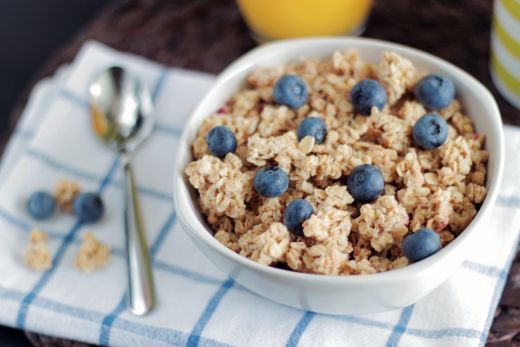
Fiber Rich Foods: Dietitian-Approved List With Portions
A practical, categorised list of fibre rich foods with portions and approximate fibre content. Learn the two types of fibre, easy swaps, and how to build a 30 gram fibre day from everyday foods.
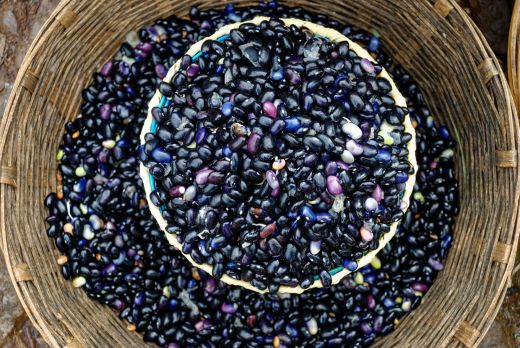
High Fiber Foods for Constipation: Dietitian-Approved List With Portions
Constipation is common and often fixable. This dietitian-approved list groups the most useful high fibre foods for constipation, with realistic portions and gentle strategies to get results without the bloating.