Nutrition Basics · Nutrition Basics
Iron Rich Diet: The Complete Evidence-Based Guide
What iron does, the best iron rich foods, how to absorb more of it, and who needs to pay closest attention, explained by a dietitian.
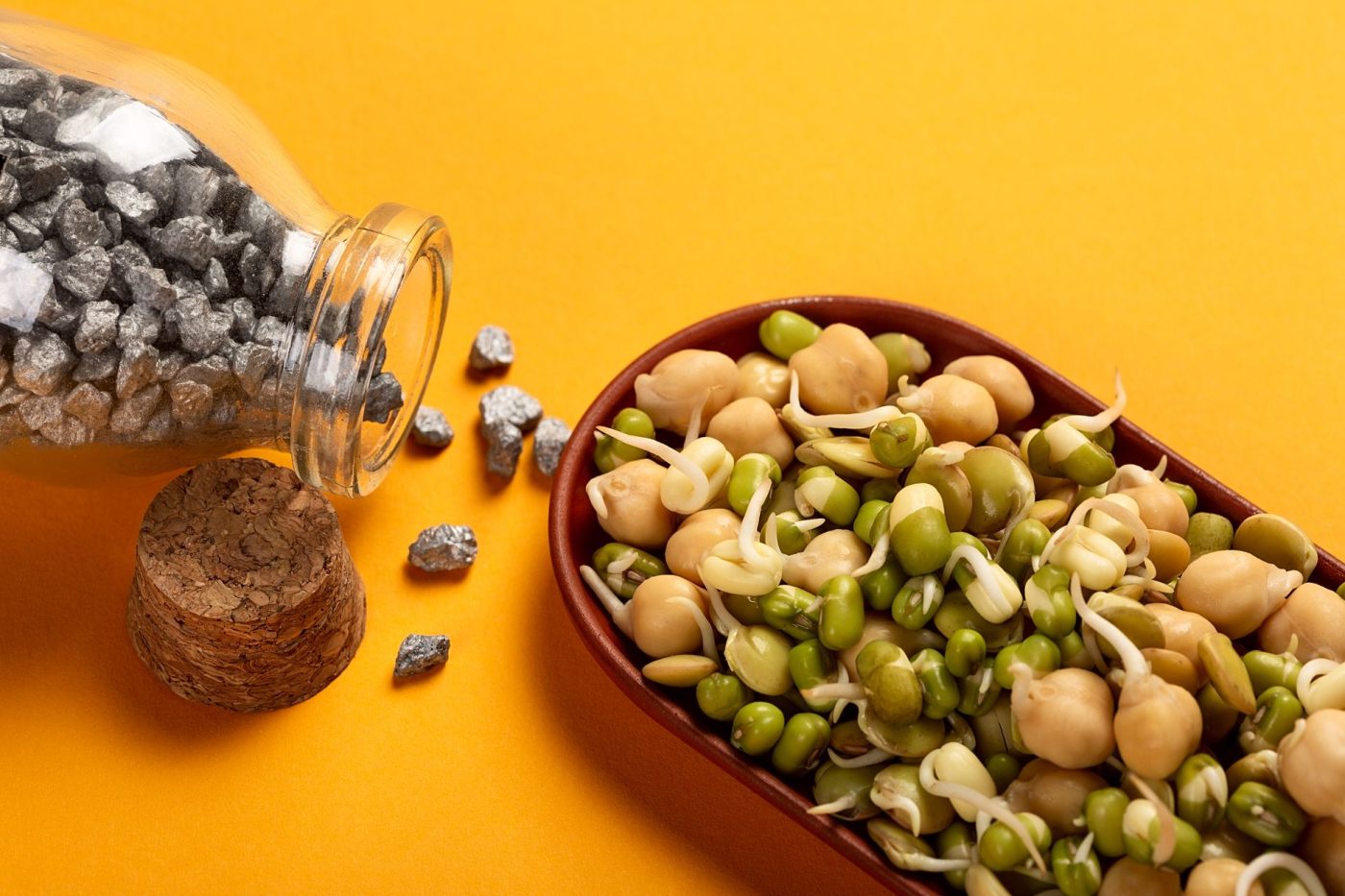
Iron is a mineral your body needs every single day, and running low on it is one of the most common nutritional shortfalls worldwide. An iron rich diet is simply an eating pattern that reliably supplies enough iron, in forms your body can absorb, to keep your blood, energy and immune system working. This evidence-based guide explains what iron does, which foods deliver it, how to boost absorption, and who needs to pay closest attention.
What an iron rich diet actually means
An iron rich diet is not a restrictive plan or a branded programme. It is a practical way of eating that includes enough iron-containing foods to meet your daily needs and reduce the risk of iron deficiency. Iron sits inside haemoglobin, the protein in red blood cells that carries oxygen from your lungs to the rest of your body. When iron runs low, oxygen delivery drops, which is why fatigue is often the first sign.
There are two dietary forms of iron. Haem iron comes from animal foods such as meat, poultry and fish and is absorbed relatively well. Non-haem iron comes from plants and fortified foods, and while it is absorbed less efficiently, it still makes up the bulk of most people's intake. A well-built iron rich diet uses both types where possible and pairs them with foods that improve absorption. Iron is one of several minerals covered in our broader guide to essential nutrients.
What iron does in the body
Iron does far more than prevent tiredness. Beyond oxygen transport, it supports energy production inside cells, normal immune function, and the growth and development of the brain, especially in infancy and childhood. Because your body has no rapid way to increase iron output, it tightly recycles what it has and controls how much it absorbs from food based on your stores.
- Oxygen delivery: iron is the core of haemoglobin in red blood cells and myoglobin in muscle.
- Energy metabolism: iron-dependent enzymes help release energy from the food you eat.
- Immune support: adequate iron helps immune cells work as they should.
When intake falls short over time, stores drain and iron deficiency anaemia can develop, bringing tiredness, breathlessness, pale skin, brittle nails and reduced concentration. The NHS notes that many of these symptoms are easy to miss because they build slowly, which is part of why deficiency is so common. Some people also notice unusual cravings for non-food items or a sore tongue, though these are less familiar signs. Because the drop happens gradually, people often adapt to feeling tired and only realise how low they had become once their levels are restored.
Best iron rich foods
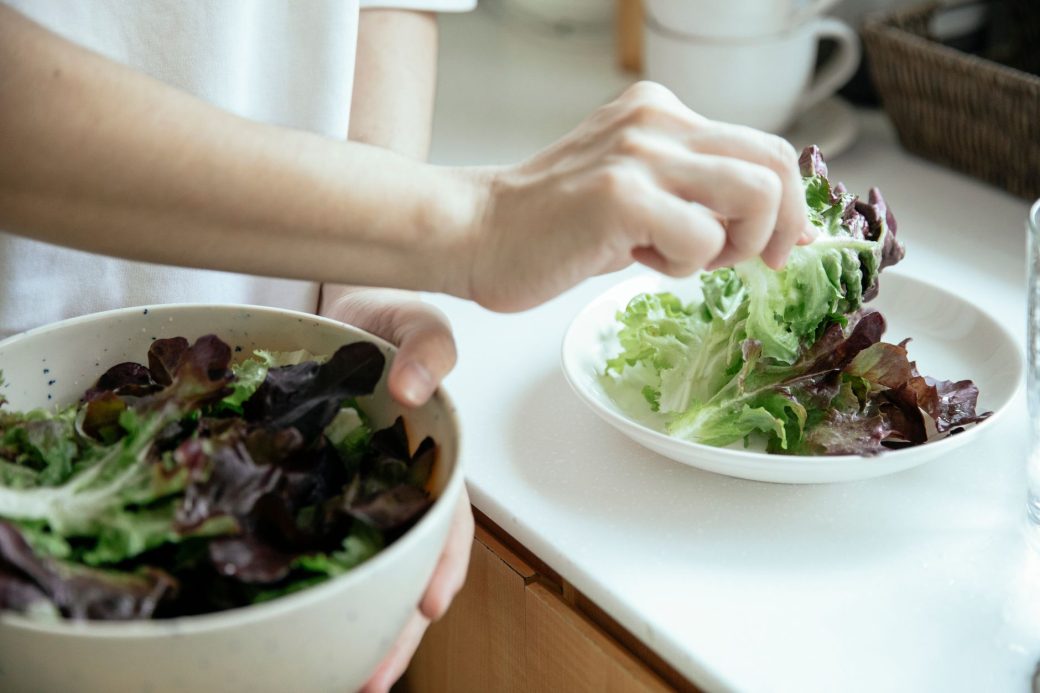
Variety is the key to a dependable iron intake. Combining animal and plant sources, or building a strong plant-based rotation, both work well when planned properly.
- Animal sources (haem iron): red meat, liver, poultry, and fish and shellfish such as sardines and mussels.
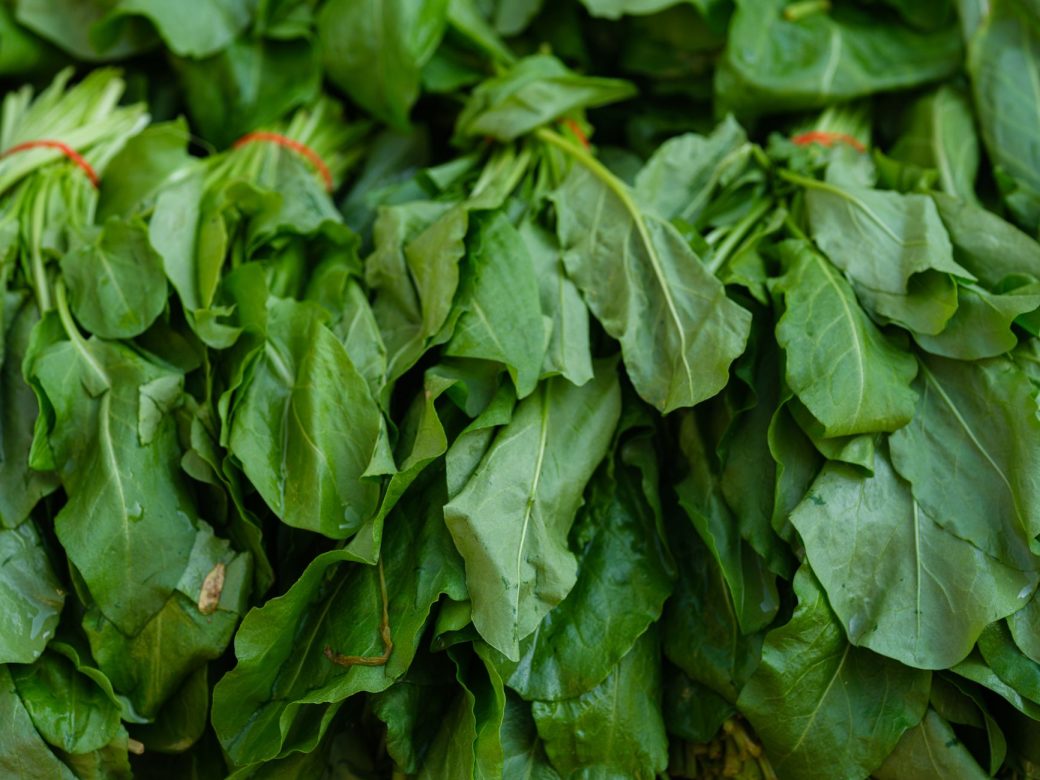
- Plant sources (non-haem iron): lentils, chickpeas, beans, tofu, dark leafy greens like spinach and kale, and pumpkin seeds.
- Fortified foods: many breakfast cereals and some breads and plant milks have iron added, which can contribute a meaningful amount.
For a fuller breakdown with practical serving sizes, see our dietitian-approved list of iron rich foods.
| Food | Iron type | Rough iron per serving |
|---|---|---|
| Cooked lentils, 1 cup | Non-haem | About 6mg |
| Cooked spinach, 1 cup | Non-haem | About 6mg |
| Lean red meat, 100g | Haem | About 2.5 to 3mg |
| Firm tofu, 100g | Non-haem | About 2 to 3mg |
| Pumpkin seeds, 30g | Non-haem | About 2.5mg |
| Fortified breakfast cereal, 1 serving | Non-haem | Varies, often 3 to 8mg |
These figures are approximate and vary by product and preparation, so use them as a guide rather than exact values.
How to absorb more iron
How much iron you get from a meal depends heavily on what else is on the plate. This matters most for non-haem iron from plants, which is more sensitive to helpers and blockers.
- Add vitamin C: pairing iron-rich foods with vitamin C, such as peppers, citrus, tomatoes or strawberries, can substantially improve non-haem iron absorption.
- Mind the blockers: tea, coffee and calcium-rich foods can reduce absorption when taken with meals, so it can help to have that cup of tea between meals instead.
- Combine sources: a small amount of meat or fish in a meal can also enhance absorption of non-haem iron eaten alongside it.
Tip: A simple win is a squeeze of lemon over a lentil or spinach dish, or a glass of orange juice with a fortified cereal breakfast. The vitamin C does the heavy lifting on absorption.
Iron on vegetarian and vegan diets
Plant-based eaters can absolutely meet their iron needs, but it takes a little more attention because plant iron is absorbed less efficiently. Some guidance suggests vegetarians and vegans aim for a higher total intake to account for this. The solution is not to worry constantly but to build meals around beans, lentils, tofu, wholegrains, seeds and dark greens, and to lean on vitamin C pairings.
People following a vegetarian diet or a vegan diet often benefit from also keeping an eye on other nutrients like vitamin B12, since B12 and iron both play roles in healthy red blood cells. The British Dietetic Association has practical food-first resources for plant-based eating.
Who needs to pay closest attention
Iron needs are not the same for everyone. Certain groups are at higher risk of running low and may benefit from a more deliberate iron rich diet or, where advised, testing and supplements.
- Menstruating women: monthly blood loss raises iron requirements compared with men.
- Pregnant women: iron needs rise significantly to support the growing baby and increased blood volume.
- Infants, toddlers and teenagers: rapid growth increases demand.
- Endurance athletes and regular blood donors: both can lose iron at higher rates.
If you suspect deficiency, the right next step is a blood test rather than self-treating, because too much iron can also cause harm. Supplements such as a standard iron supplement should generally be taken only when a professional recommends them, and gentle formulations exist for people who find standard tablets hard on the stomach. Products range from basic ferrous sulphate tablets to higher-priced gentle or slow-release options.
Some links are affiliate links and we may earn a small commission at no extra cost to you. We only suggest product types we would genuinely consider.
Building your iron rich plan
You do not need to track milligrams to eat well for iron. A reliable pattern is to include an iron source at most meals, pair plant iron with vitamin C, and keep strong tea and coffee to between meals. Over a week, aim for variety across beans and lentils, greens, seeds, fortified foods and, if you eat them, some lean meat or fish.
A practical day might start with a fortified cereal and a glass of orange juice, move on to a lentil soup with tomatoes at lunch, and finish with a stir-fry of tofu, greens and peppers at dinner. None of these meals is unusual or expensive, yet together they stack several iron sources with plenty of vitamin C. Small habits like adding a handful of pumpkin seeds to porridge or salads quietly lift your intake without any effort. The point is consistency across the week rather than one iron-heavy meal.
Iron is one piece of a balanced diet rather than the whole picture, so it works best alongside sensible overall nutrition. If you have symptoms of deficiency or fall into a higher-risk group, speak with a professional who can test your levels and tailor advice. The Harvard Nutrition Source is a helpful reference for the science behind iron and absorption.
Note: This article is general information, not medical or personalised dietary advice. For guidance tailored to you, speak with a registered dietitian or your doctor.
Sources and further reading:
- NHS on iron, deficiency anaemia and daily needs.
- Harvard Nutrition Source on iron and absorption.
- British Dietetic Association on iron for plant-based diets.
Have a question or a topic to suggest?
We read every message. Tell us what you would like to see next on the blog.
Get in touchYou may also like
Iron Rich Foods: Dietitian-Approved List With Portions
Iron powers oxygen transport and energy, yet many people fall short. This dietitian-approved list groups iron rich foods by type, gives realistic portions, and shows simple pairings that help your body absorb what you eat.
Vegetarian Diet: The Complete Evidence-Based Guide
What a vegetarian diet is, what the evidence shows, the nutrients to plan for, and how to build balanced, protein-adequate meals so you feel your best.
Essential Nutrients: The Complete Evidence-Based Guide
Your body cannot make everything it needs, so some nutrients must come from food. This guide explains the main categories of essential nutrients, what each does, where to find them, and how to cover your bases without chasing perfection.