Keto & Low Carb · Keto & Low Carb
Keto Eating Plans: The Complete Evidence-Based Guide
How keto eating plans work, what a well-built one includes, a sample week, and practical ways to stay in ketosis without cutting corners on nutrition.
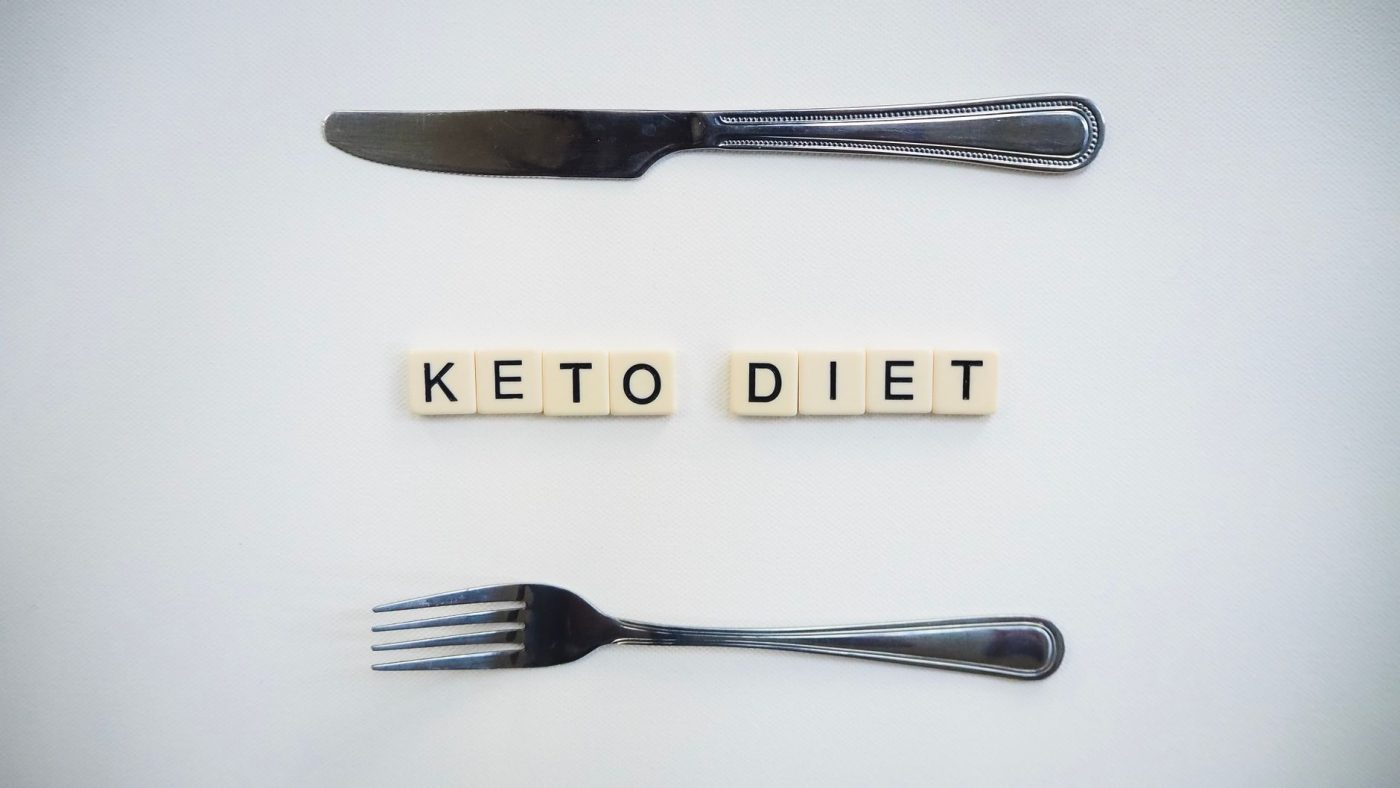
A keto eating plan is simply a structured way to eat very low carbohydrate and high fat so your body stays in ketosis. A good plan removes the daily guesswork of what to eat, keeps your carbohydrate budget realistic, and protects nutrition rather than just cutting food out. This guide explains how keto eating plans work, what a sound one looks like, and how to build one you can actually stick to.
What is a keto eating plan
A keto eating plan maps out your meals and snacks so they fit within a strict carbohydrate limit, usually around 20 to 50 grams a day, with most calories coming from fat and a moderate amount from protein. Rather than deciding meal by meal, you follow a framework that keeps carbohydrate low consistently, which is what maintains ketosis. If you are new to the underlying diet, start with our keto diet guide first.
The value of a plan is consistency. Keto is unforgiving of stray carbohydrate, so a plan that already accounts for your daily total makes success far more likely. Plans range from rigid day by day menus to looser templates you fill with approved foods, and the right level of structure depends on how much freedom you need to stay on track.
How keto plans work
Every keto plan is built around the same principle: keep carbohydrate low enough for long enough that the body burns fat and produces ketones. To do that reliably, a plan controls three things, your total carbohydrate, your protein intake, and your fat as the main energy source. Understanding ketosis helps you see why consistency matters more than any single meal.
Most plans also emphasise whole foods over processed keto products, because branded bars and shakes are often expensive and unnecessary. A well built plan leans on eggs, fish, meat, cheese, oils, nuts and low carbohydrate vegetables, and treats the carbohydrate budget as a limited resource to spend wisely across the day.

What a good plan includes
Not all keto plans are created equal. A responsible one protects nutrition rather than simply banning carbohydrate.
- Clear carbohydrate target: a defined daily limit, usually counted as net carbs from whole foods.
- Adequate protein: enough to preserve muscle, not so much that it undermines ketosis for sensitive people.
- Fibre and vegetables: generous non starchy vegetables to keep fibre and micronutrients up.
- Practical meals: foods you enjoy and can prepare, not an aspirational list you will abandon.
- A shopping list: the difference between intention and follow through for most people.
For ready made structure, our keto diet plan and keto menu plan both include shopping lists, while our keto food plan shows portions for common foods.
A sample weekly structure
This is an illustration to show how a keto week can be shaped, not a fixed prescription. Adjust portions to your calorie needs.
| Day | Breakfast | Lunch | Dinner |
|---|---|---|---|
| Monday | Eggs and avocado | Salmon salad with olive oil | Chicken with roasted cauliflower |
| Tuesday | Greek yoghurt with seeds | Tuna and leafy greens | Steak with courgette and butter |
| Wednesday | Omelette with cheese and spinach | Chicken and avocado bowl | Baked cod with broccoli |
| Thursday | Eggs with sauteed mushrooms | Egg salad lettuce wraps | Pork with cabbage and cream |
Tip: Batch cook two or three keto friendly staples at the weekend, such as roasted vegetables, boiled eggs and a cooked protein. Having them ready removes the moment of weakness when hunger meets an empty fridge.
Staying in ketosis
The main challenge of any keto plan is consistency, because even occasional carbohydrate rich meals can knock you out of ketosis. Tracking net carbs, reading labels for hidden sugars, and keeping approved foods on hand all help. Sauces, dressings, flavoured drinks and processed snacks are the usual culprits behind an unexpected exit from ketosis.
- Track net carbs: subtract fibre from total carbohydrate and stay under your daily ceiling.
- Read every label: sugar hides in sauces, marinades, dressings and drinks.
- Mind your electrolytes: keep salt, potassium and magnesium up to ease the early adjustment.
- Plan ahead for eating out: choose protein and vegetables and skip the bread and starch.
Some people find an electrolyte supplement useful in the first weeks, since mineral losses cause many keto flu symptoms. A simple unflavoured electrolyte powder in the budget to mid price tier is the kind of product people reach for, though salted food and water often suffice.
Some links are affiliate links and we may earn a small commission at no extra cost to you. We only suggest product types we would genuinely consider.

Benefits and limitations
A structured keto plan has clear upsides and real constraints, and it helps to weigh both.
- Less decision fatigue: a plan removes daily guesswork and reduces impulse eating.
- Better adherence: people who plan tend to stay in ketosis more reliably than those who wing it.
- Restrictive by nature: the food list is narrow, which some people find hard to sustain.
- Needs careful nutrition: without planning, fibre and some vitamins can fall short.
- Not a magic result: weight loss still depends on a calorie deficit, not ketosis alone.
Who keto plans suit
Keto eating plans suit people who like structure, cope with a limited food list, and want to remove the daily uncertainty of staying low carbohydrate. They suit endurance athletes and variety seekers less well. Some groups should only follow a keto plan with medical guidance, including people who are pregnant, those with type 1 diabetes, and anyone with liver, kidney or pancreatic conditions. The British Dietetic Association notes that very low carbohydrate diets are not necessary for most people.
If you are unsure whether a keto plan fits your goals and health, a registered dietitian can tailor one to you. For general healthy eating principles that apply whatever plan you choose, the NHS and the Harvard Nutrition Source are dependable references.
Note: This article is general information, not medical or personalised dietary advice. For guidance tailored to you, speak with a registered dietitian or your doctor.
Sources and further reading:
- NHS on low carbohydrate diets and healthy eating.
- Harvard Nutrition Source for an overview of ketogenic eating.
- British Dietetic Association for evidence based guidance on diet plans.
Have a question or a topic to suggest?
We read every message. Tell us what you would like to see next on the blog.
Get in touchYou may also like
Keto Diet Plan: Dietitian-Designed Plan With Shopping List
A dietitian-designed keto diet plan with a clear macro framework, a sample day, a shopping list, and honest guidance on the transition and who should avoid it.

Keto Menu Plan: Dietitian-Designed Plan With Shopping List
A dietitian-designed keto menu plan with a seven-day sample menu, macros, portions, and a printable shopping list you can adapt to your own tastes and needs.
Keto Food Plan: Dietitian-Approved List With Portions
A categorised, dietitian-approved list of keto foods with realistic portions, plus a sample day and the swaps that make the plan easier to sustain.