Popular Diets · Popular Diets
Paleo Diet: The Complete Evidence-Based Guide
A practical guide to the paleo diet: sample menus, food lists, whether it works, and who it suits, explained by a dietitian.

The paleo diet, sometimes called the caveman or stone-age diet, focuses on the whole foods a hunter-gatherer could have eaten: meat, fish, eggs, vegetables, fruit, nuts and seeds. Grains, legumes, dairy and processed foods are left out. This evidence-based guide takes a practical look at how the paleo diet works day to day, what a plate looks like, and how to judge whether it is right for you.
Paleo diet basics
At its core, the paleo diet is a whole-food elimination diet. It keeps foods that could plausibly have been hunted or gathered and removes the staples of modern agriculture and food processing. The reasoning is evolutionary, but the day-to-day effect is that you cook from scratch and cut out packaged foods.
That structure is why many newcomers notice benefits quickly: they are simply eating far less ultra-processed food. Paleo is one of several whole-food patterns within the wider field of nutrition, and it shares a lot of common ground with our main paleo guide if you want the fuller background.
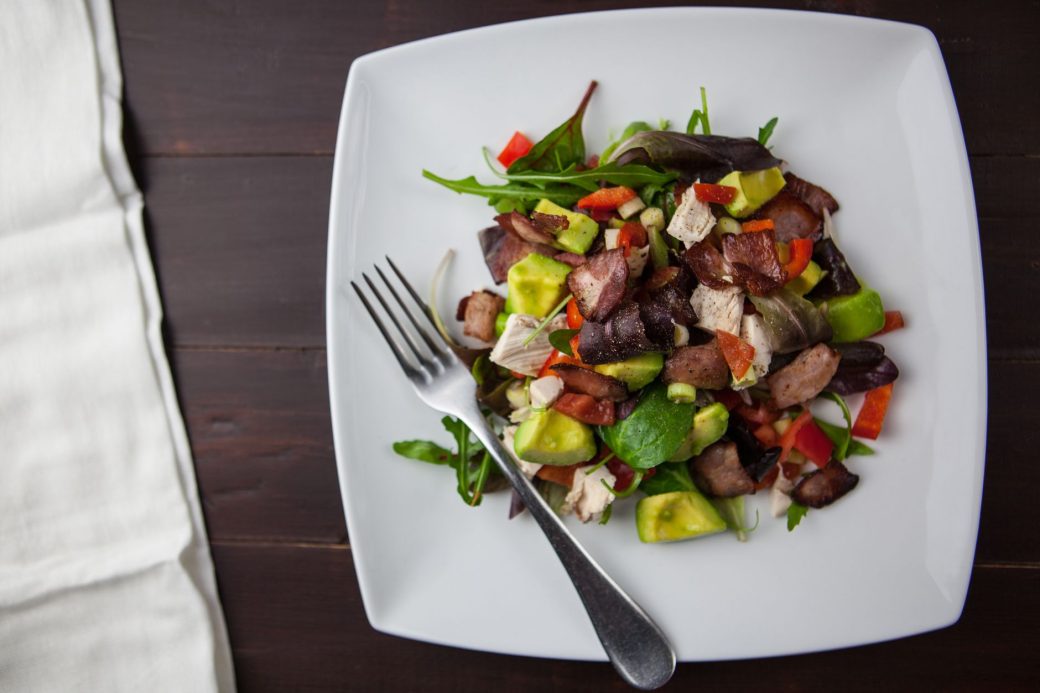
What a paleo plate looks like
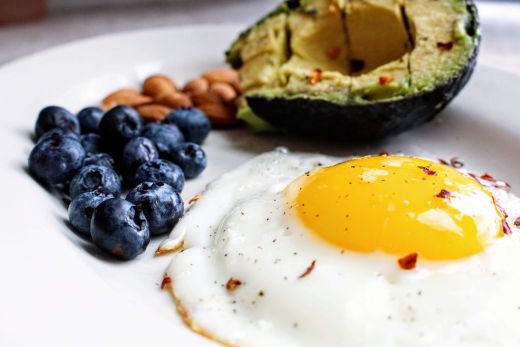
A helpful way to picture paleo is to build every meal around protein and vegetables, then add healthy fats and a little fruit. There is no calorie counting, just a focus on food quality and composition.
- Half the plate: non-starchy vegetables such as leafy greens, peppers, broccoli and courgette.
- A quarter: a protein source like chicken, fish, eggs or lean red meat.
- The rest: healthy fats from olive oil, avocado, nuts or seeds, plus fruit or a starchy vegetable such as sweet potato.
A typical day might be eggs with vegetables for breakfast, a large salad with salmon for lunch, and a stir-fry of meat and vegetables for dinner, with fruit and nuts as snacks. For more inspiration on assembling filling plates, our list of high protein foods is a good companion.
| Meal | Example | Why it works |
|---|---|---|
| Breakfast | Eggs with spinach and mushrooms | High protein, no added sugar |
| Lunch | Salmon salad with olive oil dressing | Protein plus healthy fats |
| Snack | Apple with a handful of almonds | Fibre and satisfying fat |
| Dinner | Beef and vegetable stir-fry | Balanced, whole-food meal |
Foods to enjoy and skip
The paleo food rules are fairly black and white, which some people find freeing and others find restrictive.
- Enjoy: meat, poultry, fish, eggs, vegetables, fruit, nuts, seeds, and oils such as olive, avocado and coconut.
- Skip: grains, bread and pasta, legumes and peanuts, dairy, refined sugar, and processed or packaged foods.
Cutting grains and legumes removes some of the cheapest sources of fibre, so vegetables, nuts and seeds have to do more work. If you find your digestion changes when starting out, our high fibre foods list highlights paleo-friendly choices to keep intake up.
Does the paleo diet work
For weight loss and general wellbeing, many people do well on paleo in the short term. Removing refined carbohydrates and ultra-processed foods while eating more protein and vegetables tends to reduce calorie intake and improve diet quality, which explains most of the results people report.
The catch is that robust long-term studies are limited, and the benefits usually match other healthy patterns rather than exceeding them. The Harvard Nutrition Source points out that while paleo encourages nutritious foods, cutting whole grains and legumes discards options with proven benefits. Paleo can work, but not because of anything uniquely magical about it.
Tip: If you want the whole-food benefits of paleo without the strict bans, try keeping the emphasis on vegetables and protein while still allowing beans and wholegrains. You get much of the upside with more flexibility and fibre.
Benefits and limitations
Weighing paleo honestly means acknowledging both what it does well and where it falls short.
- Benefits: naturally lower in ultra-processed foods and added sugar, higher in protein and vegetables, and simple to understand.
- Limitations: can be costly, socially awkward, low in fibre and calcium, and difficult to sustain for vegetarians, vegans or people on a budget.
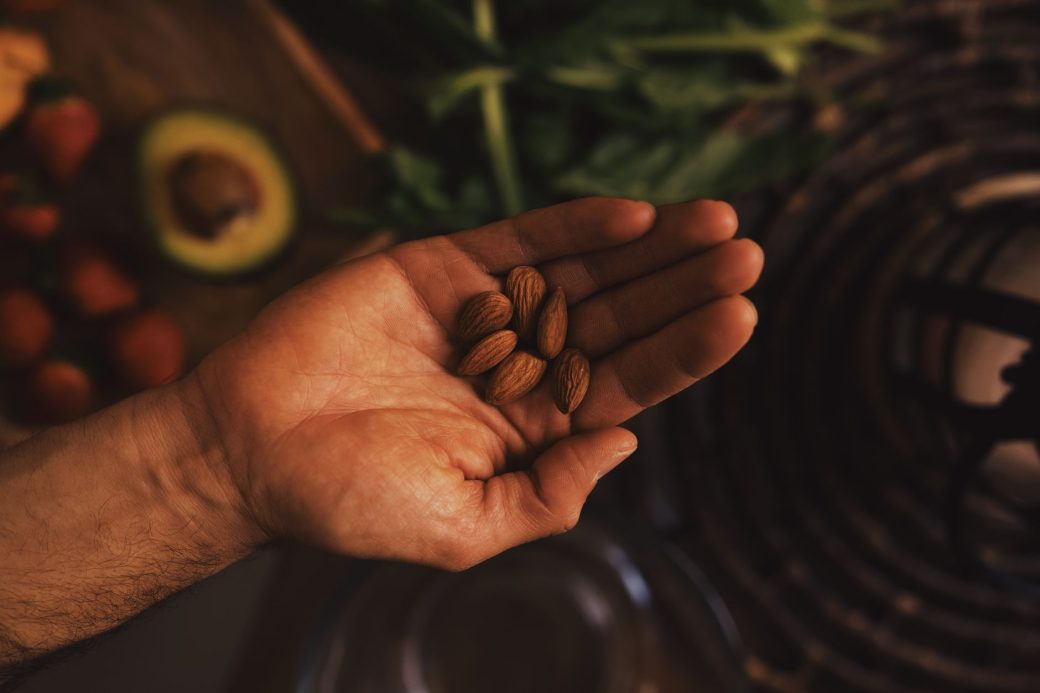
Calcium deserves particular attention because dairy is excluded. Leafy greens, tinned fish with soft bones, almonds and fortified alternatives help fill the gap. If lower-carb eating appeals to you more broadly, it can be worth comparing paleo with the keto diet, though paleo is generally more relaxed about fruit and starchy vegetables.
Is paleo right for you
Paleo tends to suit people who enjoy cooking and want a clear framework rather than calorie counting. If your current diet leans heavily on convenience foods, the structure can be a genuine upgrade.
- Good fit: confident home cooks, people cutting back on processed food, and those who like rules over tracking.
- Think twice: plant-based eaters, budget-conscious households, endurance athletes needing carbohydrate, and anyone with a history of restrictive eating.
If a strict version feels unrealistic, a middle path often wins in the long run. The Mediterranean diet shares paleo's whole-food emphasis while keeping wholegrains, legumes and dairy, making it easier to maintain for many people.
Starting paleo well
Set yourself up before you begin. Clear out obvious processed foods, plan a few simple protein-and-vegetable meals, and shop with a list. A little kit helps too: many people keep coconut oil for cooking and a supply of unsalted mixed nuts for quick, compliant snacks.
Some links are affiliate links and we may earn a small commission at no extra cost to you. We only suggest product types we would genuinely consider.
Introduce changes gradually rather than overhauling everything at once, and give yourself a few weeks to judge how you feel. If in doubt, a registered dietitian can help you adapt paleo so it stays balanced. For general healthy-eating principles, the NHS and the Academy of Nutrition and Dietetics are reliable references.
Note: This article is general information, not medical or personalised dietary advice. For guidance tailored to you, speak with a registered dietitian or your doctor.
Sources and further reading:
- Harvard Nutrition Source on the paleo diet.
- Academy of Nutrition and Dietetics for balanced whole-food eating.
- NHS for portion size and healthy eating guidance.
Have a question or a topic to suggest?
We read every message. Tell us what you would like to see next on the blog.
Get in touchYou may also like
Paleo: The Complete Evidence-Based Guide
Paleo focuses on whole foods a hunter-gatherer could eat while cutting grains, legumes and dairy. Here is what the evidence actually shows and who it suits.
Mediterranean Diet: The Complete Evidence-Based Guide
One of the most studied eating patterns in the world. Learn what the Mediterranean diet is, what the evidence supports, foods to enjoy and limit, and how to start with simple swaps.
Keto Diet: The Complete Evidence-Based Guide
The keto diet shifts your body onto fat for fuel through very low carbohydrate eating. Here is what the evidence actually supports, who benefits, and the real trade-offs to weigh before you try it.