Popular Diets · Popular Diets
Paleo: The Complete Evidence-Based Guide
What paleo is, the foods in and out, what research shows, and who the caveman diet genuinely suits, explained by a dietitian.
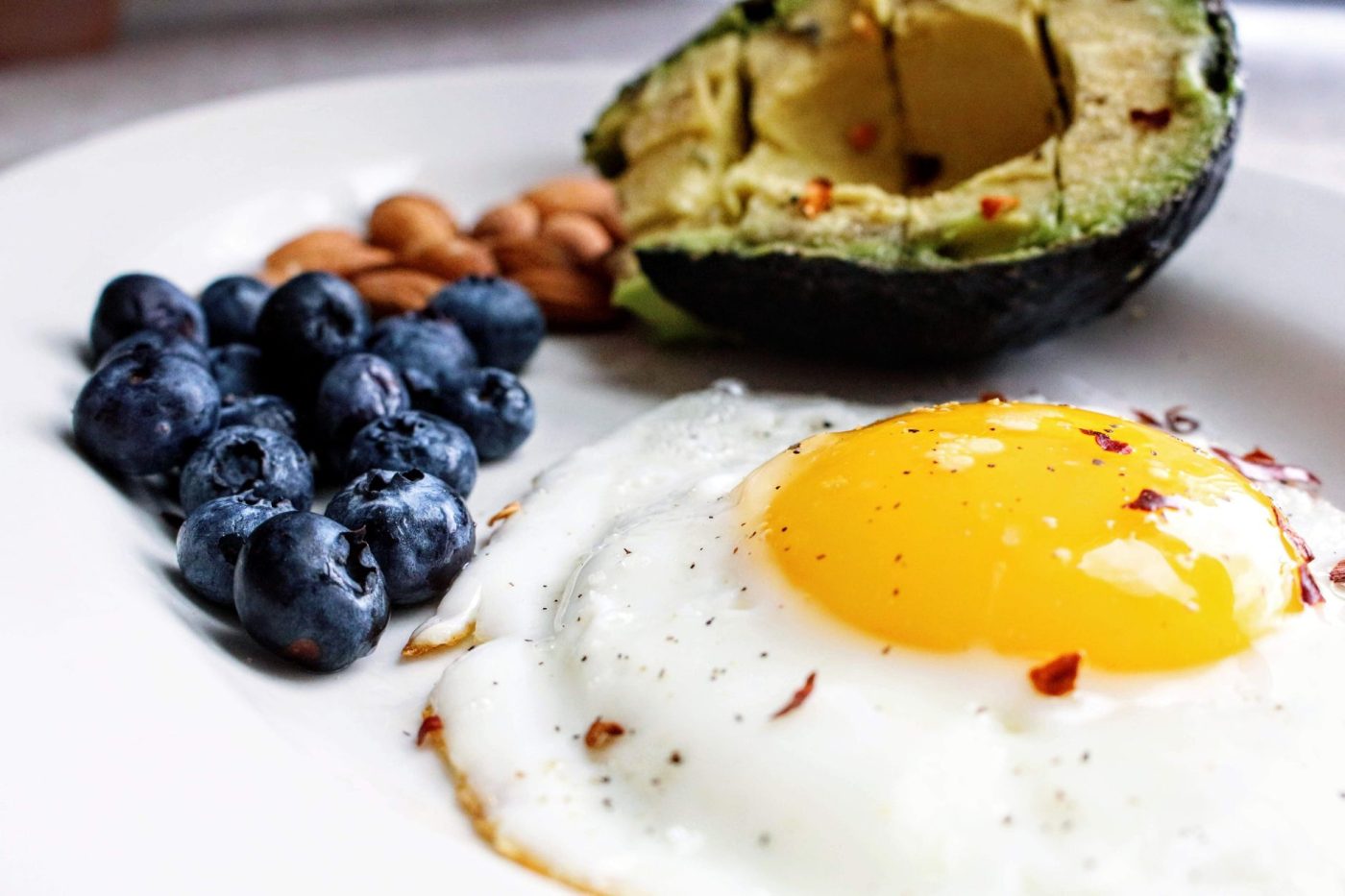
Paleo, short for the paleolithic or "caveman" diet, asks a simple question: would our ancestors have eaten this? In practice it means building meals around meat, fish, eggs, vegetables, fruit, nuts and seeds while leaving out grains, legumes, dairy and most processed foods. This evidence-based guide explains what paleo actually is, what the research shows, and who it tends to suit.
What is paleo
The paleo diet is built on the idea that human genetics are best matched to the foods eaten before farming began, roughly 10,000 years ago. Supporters argue that grains, dairy and refined foods arrived too recently for our bodies to have fully adapted, and that returning to a hunter-gatherer style of eating reduces the risk of modern conditions.
Whether or not you accept that reasoning, the practical result is a diet centred on whole, minimally processed foods. That overlap with general healthy-eating advice is a big part of why many people feel better on it. Paleo sits alongside other whole-food patterns we cover, including the Mediterranean diet, and it is one of several approaches within a broader picture of nutrition.
Foods you eat and avoid
Paleo draws a fairly clear line between foods that are welcome and foods that are out. The exact rules vary between versions, but the core list is consistent.
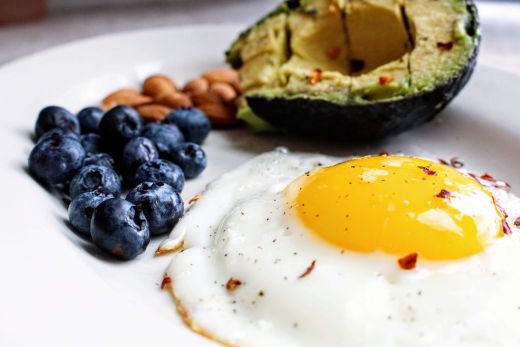
- Eat freely: meat, poultry, fish and seafood, eggs, vegetables, fruit, nuts, seeds, and healthy oils such as olive and coconut.
- Avoid: grains (wheat, rice, oats), legumes (beans, lentils, peanuts), dairy, refined sugar, most vegetable oils, and processed or packaged foods.
Because whole grains and legumes are excluded, paleo removes many staples that dietitians usually recommend. That is one of the main points of debate, since those foods are affordable, filling and rich in fibre. If you rely on beans and lentils for protein and fibre, see our list of high fibre foods to plan around the gaps.
| Food group | On paleo | Notes |
|---|---|---|
| Meat, fish, eggs | Included | Emphasis on unprocessed cuts |
| Vegetables and fruit | Included | Non-starchy veg encouraged |
| Nuts and seeds | Included | Peanuts excluded as a legume |
| Whole grains | Excluded | A common source of debate |
| Legumes | Excluded | Removes cheap protein and fibre |
| Dairy | Excluded | Some allow butter or full-fat versions |

What the evidence shows
Short-term studies suggest paleo can help with weight loss and may modestly improve some markers such as blood sugar control and triglycerides. Much of that benefit likely comes from cutting refined foods and added sugar and eating more vegetables and protein, rather than anything unique to avoiding grains and dairy.
The main limitation is that long-term, high-quality trials are scarce, and results often match other healthy patterns rather than beating them. The Harvard Nutrition Source notes that paleo can be nutritious but that excluding whole grains and legumes removes foods with well-documented health benefits. In other words, the wins tend to reflect eating more real food, not the caveman framing itself.
Paleo and weight loss
Many people lose weight on paleo, at least at first. The likely reasons are practical rather than magical: the diet is high in protein, which is filling, and it removes a large slice of the ultra-processed, calorie-dense foods most of us over-eat. Fewer biscuits, crisps and sugary drinks usually means fewer calories overall.
That still comes down to energy balance. Paleo can create a calorie deficit without formal counting, which suits people who dislike tracking. But it is entirely possible to overeat nuts, dried fruit and fatty meats, so weight loss is not guaranteed. If losing weight is your goal, our guide to the best diet for healthy weight loss puts paleo in context.
Tip: If you try paleo for weight loss, keep portions of nuts and nut butters modest. They are nutritious but very calorie-dense, and they are easy to over-eat straight from the jar.
Pros and cons
Like any structured diet, paleo has genuine strengths and clear trade-offs. Weighing both helps you decide whether it fits your life.
- Strengths: emphasises whole foods, cuts refined sugar and ultra-processed items, tends to be high in protein and vegetables, and is simple to explain.
- Trade-offs: excludes affordable, fibre-rich staples, can be expensive and socially restrictive, may fall short on calcium without dairy, and can drift toward too much red meat.
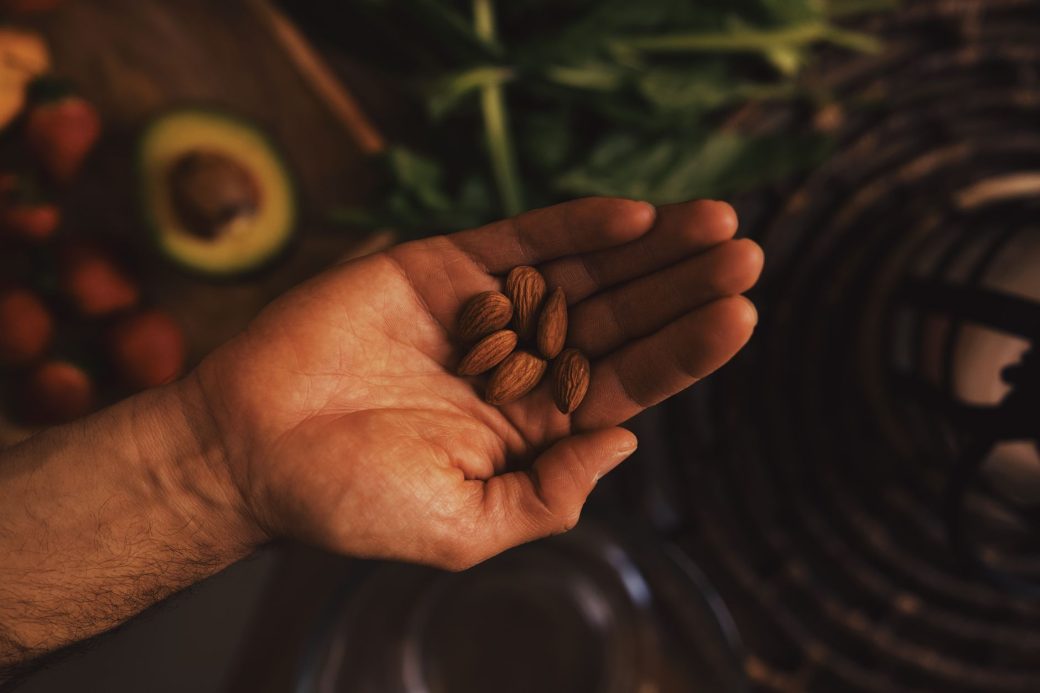
The fibre point matters. By dropping grains and legumes, paleo removes some of the easiest fibre sources, which can affect digestion and gut health. Loading up on vegetables, nuts and seeds helps, and our fibre rich foods list shows paleo-friendly options. Calcium is the other watch-point without dairy, so leafy greens, tinned fish with bones and fortified alternatives become important.
Who paleo suits
Paleo tends to work best for people who thrive on clear rules and cook most of their own meals. If you already eat a lot of processed food, the structure can be a useful reset that naturally improves diet quality.
- May suit: keen home cooks, people cutting back on ultra-processed foods, and those who prefer whole-food eating without counting calories.
- Approach with care: vegetarians and vegans, people on a tight budget, endurance athletes needing plenty of carbohydrate, and anyone with a history of restrictive eating.
If you are drawn to lower-carb eating specifically, you might also compare paleo with the keto diet, which is stricter on carbohydrate. Paleo is generally more flexible because it still allows fruit and starchy vegetables.
Getting started safely
You do not need special products to try paleo, but a few basics make it easier. A decent set of storage containers for batch cooking and a good pan reduce the temptation to reach for convenience food. Many people also keep a jar of unsalted mixed nuts and some extra virgin olive oil on hand for quick, compliant meals and dressings.
Some links are affiliate links and we may earn a small commission at no extra cost to you. We only suggest product types we would genuinely consider.
Start by clearing out obvious ultra-processed foods, plan a few simple meals of protein plus vegetables, and build a shopping list before you go. Ease in rather than overhauling everything overnight, and pay attention to how you feel over a few weeks rather than day to day. For general food-safety and healthy-eating principles, the NHS and the British Dietetic Association are reliable starting points.
Note: This article is general information, not medical or personalised dietary advice. For guidance tailored to you, speak with a registered dietitian or your doctor.
Sources and further reading:
- Harvard Nutrition Source on the paleo diet and whole-food eating.
- British Dietetic Association for balanced, evidence-based diet guidance.
- NHS for general healthy eating and portion advice.
Have a question or a topic to suggest?
We read every message. Tell us what you would like to see next on the blog.
Get in touchYou may also like
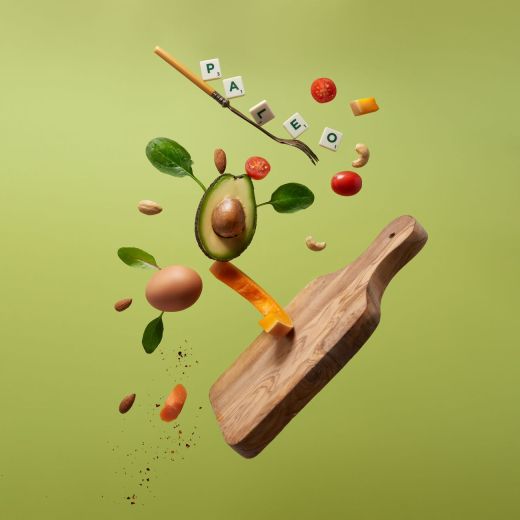
Paleo Diet: The Complete Evidence-Based Guide
The paleo diet builds meals around whole foods and cuts grains, legumes and dairy. Here is what a paleo plate looks like and whether it actually works.
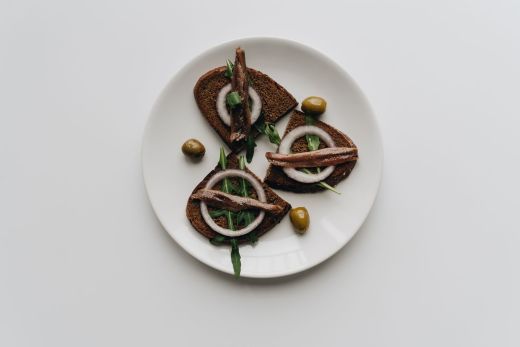
Mediterranean Diet: The Complete Evidence-Based Guide
One of the most studied eating patterns in the world. Learn what the Mediterranean diet is, what the evidence supports, foods to enjoy and limit, and how to start with simple swaps.
Keto Diet: The Complete Evidence-Based Guide
The keto diet shifts your body onto fat for fuel through very low carbohydrate eating. Here is what the evidence actually supports, who benefits, and the real trade-offs to weigh before you try it.