Nutrition Basics
Protein Rich Foods: Dietitian-Approved List With Portions
A dietitian-approved list of protein rich foods with portions and protein amounts, covering animal and plant sources, snacks and balanced meals.
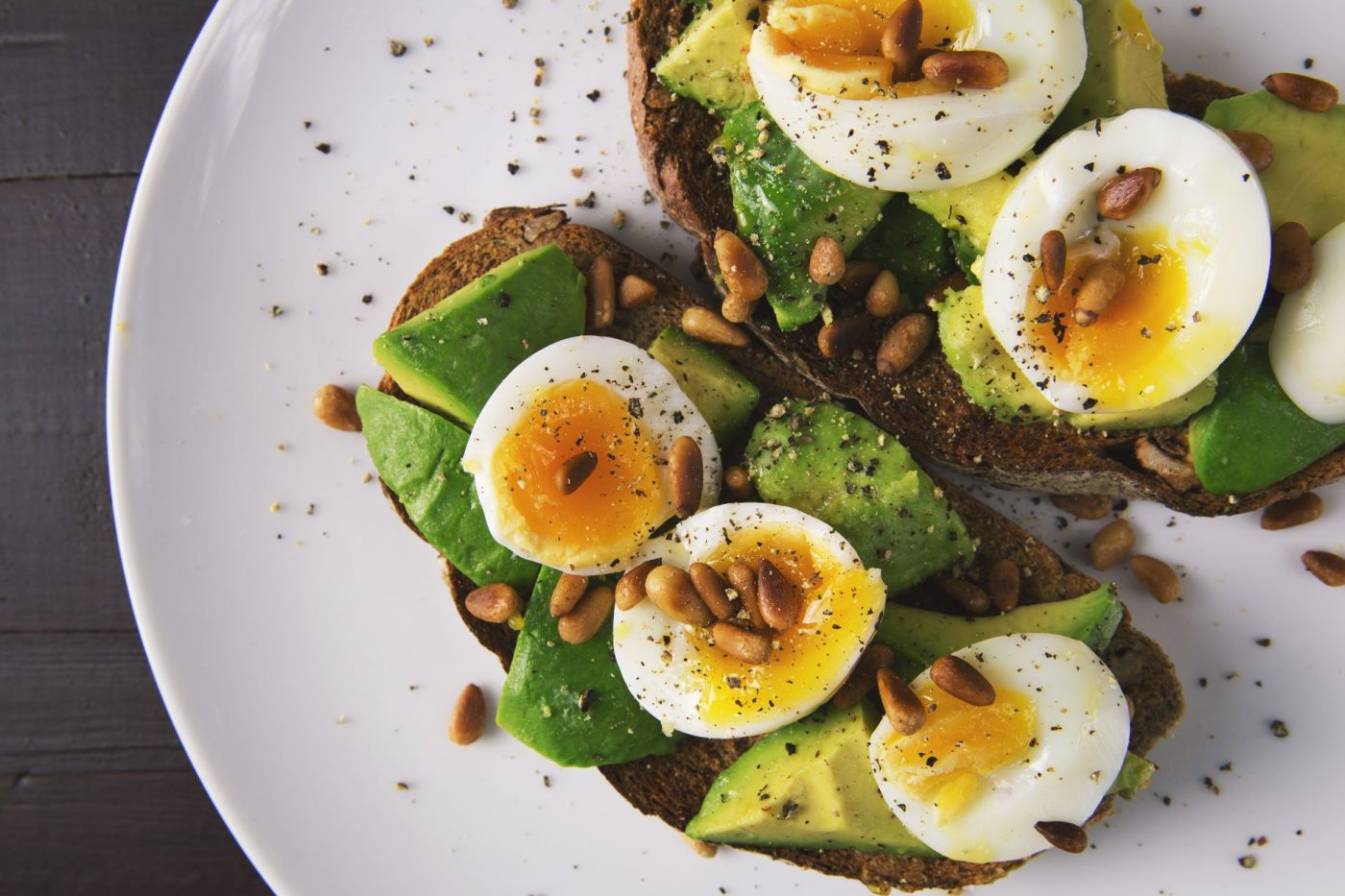
Protein keeps you full, supports muscle and repair, and anchors a balanced plate, yet many people are unsure how much they actually eat. This dietitian-approved list groups protein rich foods by type, gives realistic portions and protein amounts, and shows simple swaps to hit your target across the day without living on chicken and eggs.
Why protein matters
Protein provides the amino acids your body uses to build and repair muscle, skin, enzymes and hormones. It is also the most satiating of the three macronutrients, which is why higher-protein meals tend to keep hunger at bay for longer. That combination makes it useful for general health, healthy ageing, recovery from exercise and weight management alike.
Most people do fine spreading protein across the day rather than loading it all at dinner. Research on muscle suggests the body uses protein more efficiently when intake is distributed across meals, so a breakfast with 20 to 30g and a similar amount at lunch and dinner tends to beat a tiny breakfast followed by a huge evening portion. For the science behind requirements and timing, our complete guide to protein goes deeper, and this list is the practical companion to it.
How much protein you need
General guidance puts protein needs at roughly 0.75g per kilogram of body weight per day for the average healthy adult, which is around 45 to 55g for many people. Those who are very active, recovering from illness, or older often benefit from more, sometimes 1.2 to 1.6g per kilogram. Rather than obsess over the exact figure, aim to include a solid protein source at every meal.
Tip: A simple target is a palm-sized portion of a protein food at each main meal, plus a protein-containing snack. This roughly covers most people's needs without weighing anything.
Animal protein sources
Animal foods are complete proteins, meaning they contain all the essential amino acids in useful amounts. They tend to be protein-dense per portion, which makes hitting targets straightforward.
| Food | Portion | Approx. protein |
|---|---|---|
| Chicken breast | 100g cooked | about 31g |
| Salmon | 100g cooked | about 25g |
| Lean beef | 100g cooked | about 26g |
| Greek yoghurt | 150g | about 15g |
| Two eggs | 2 medium | about 13g |
| Cottage cheese | 100g | about 11g |
| Tinned tuna | 1 small tin | about 25g |
Values are approximate and vary by cut and brand. Leaner cuts and lower-fat dairy give more protein per calorie, which helps if you are watching energy intake. Fish and seafood deserve a special mention here, since oily fish such as salmon, mackerel and sardines pair quality protein with omega-3 fats, a genuinely useful combination for heart and brain health that most people could eat more of.
Plant protein sources
Plant proteins bring fibre and plant compounds alongside protein, and eating a range across the day covers the full amino acid spread. They are the backbone of protein on a vegetarian diet or vegan diet.
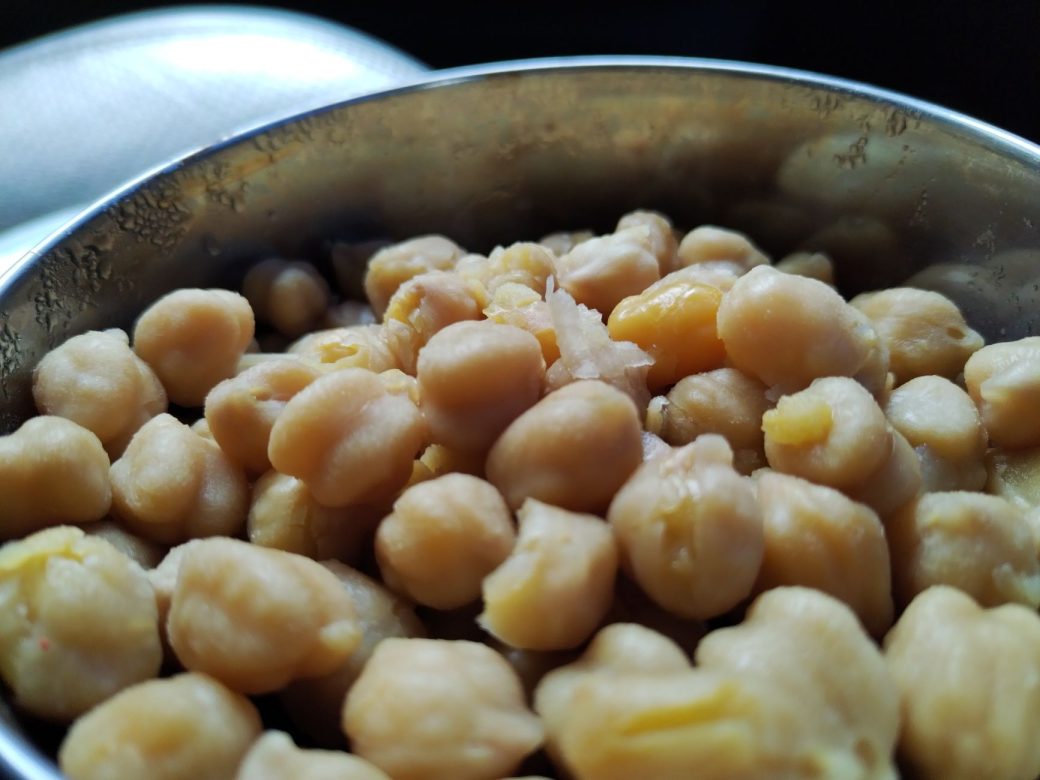
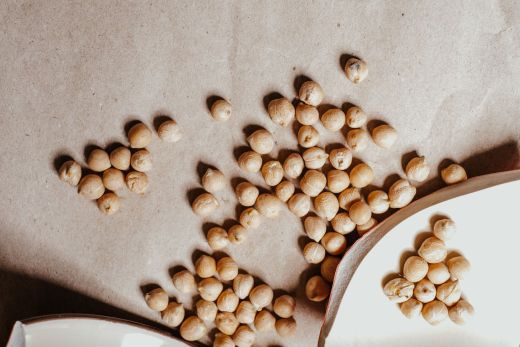
- Legumes: lentils, chickpeas and beans deliver roughly 15 to 18g of protein per cooked cup, plus fibre.
- Soya foods: tofu, tempeh and edamame are complete proteins and very versatile.
- Nuts and seeds: a 30g handful of almonds or pumpkin seeds adds 6 to 8g, along with healthy fats.
- Wholegrains: quinoa, oats and wholewheat bread contribute steady background protein.
For more plant-forward ideas, see our lists of high protein foods and protein foods. One practical note: plant proteins are usually a little less protein-dense per portion than meat or fish, so if you eat mostly plants you may need slightly larger or more frequent servings to reach the same total. This is easily done and comes with the bonus of extra fibre.
High protein snacks and add-ons
Snacks are where many people quietly top up or fall short. Choosing protein-containing options turns a gap into a gain.
- Dairy snacks: Greek yoghurt, cottage cheese or a glass of milk.
- Portable options: a boiled egg, edamame, roasted chickpeas or a small handful of nuts.
- Convenience picks: a protein bar or shake for busy days, chosen for a short ingredient list rather than hype.
Our high protein snacks list has more ideas. If you use a powder, a quality protein powder from a brand with third-party testing such as Informed Sport can be a practical top-up, though it is a convenience food rather than a health guarantee.
Some links are affiliate links and we may earn a small commission at no extra cost to you. We only suggest product types we would genuinely consider.
Building high protein meals
The easiest way to eat enough protein is to design each meal around it rather than treating it as an afterthought.
- Breakfast: add eggs, Greek yoghurt or a protein-topped porridge instead of carbs alone.
- Lunch: build salads and wraps on a base of chicken, tuna, beans or tofu.
- Dinner: start with a palm-sized protein, then add wholegrains and plenty of vegetables.
- Batch cooking: cook extra protein at once so leftovers cover the next day.
For a morning-specific plan, our high protein breakfast guide is a good next step. The Academy of Nutrition and Dietetics also has practical portion advice.
Common questions
A few points come up often enough to address directly, since misinformation about protein is everywhere.
- Can you eat too much protein: very high intakes offer no extra benefit for most people, and there is no need to overshoot.
- Do you need supplements: most people meet their needs through food. Powders are convenience, not necessity.
- Is plant protein inferior: not in a varied diet. Eating a range of plant proteins covers your amino acid needs.
One more question worth settling is whether protein timing around exercise is critical. For most people it is not. Total daily protein and overall training matter far more than eating within a narrow window after a workout, so there is no need to rush a shake the moment you finish. The NHS and Harvard Nutrition Source both stress variety and food-first over supplements.
Note: This article is general information, not medical or personalised dietary advice. For guidance tailored to you, speak with a registered dietitian or your doctor.
Sources and further reading:
- NHS for protein and healthy eating guidance.
- Harvard Nutrition Source for its protein overview and food sources.
- Academy of Nutrition and Dietetics for practical protein and portion advice.
Have a question or a topic to suggest?
We read every message. Tell us what you would like to see next on the blog.
Get in touchYou may also like
Protein: The Complete Evidence-Based Guide
How much protein do you actually need, and where should it come from? This evidence-based guide covers protein sources, timing, weight management and cutting through powder marketing.
High Protein Foods: Dietitian-Approved List With Portions
Beyond chicken and eggs, protein hides across every food group. This dietitian-approved list gives the best high-protein foods with realistic portions and approximate grams.
High Protein Snacks: Dietitian-Approved List With Portions
The best high-protein snacks keep you fuller and help you hit your daily target. Here is a categorised list with realistic portions, protein amounts and easy prep ideas.