Keto & Low Carb · Keto & Low Carb
Diet Ketogenik: The Complete Evidence-Based Guide
How the ketogenic diet works, the macro split, what the research shows, and who should avoid keto, explained by a dietitian.

Diet ketogenik, better known in English as the ketogenic or keto diet, is a very low-carbohydrate, high-fat way of eating that shifts the body into a fat-burning state called ketosis. It is one of the most searched diets in the world, and also one of the most misunderstood. This evidence-based guide explains how it works, what the research shows, and who should think twice.
What is diet ketogenik
The ketogenic diet drastically cuts carbohydrate, usually to around 20g to 50g a day, and replaces those calories mostly with fat and a moderate amount of protein. With so little carbohydrate coming in, the body runs low on its usual fuel, glucose, and begins burning fat instead, producing molecules called ketones.
This state is known as ketosis, and reaching it is the whole point of the diet. It typically takes a few days of strict carb restriction. A standard keto diet is roughly 70 to 75 percent of calories from fat, 20 percent from protein and 5 to 10 percent from carbohydrate. You can read the full picture in our keto diet guide.
How ketosis works
Normally your body prefers glucose from carbohydrate for energy. When carbohydrate is scarce, the liver converts fat into ketones, which the brain and muscles can use as an alternative fuel. Producing and burning ketones is what defines nutritional ketosis, and it is a natural process the body also uses during fasting.
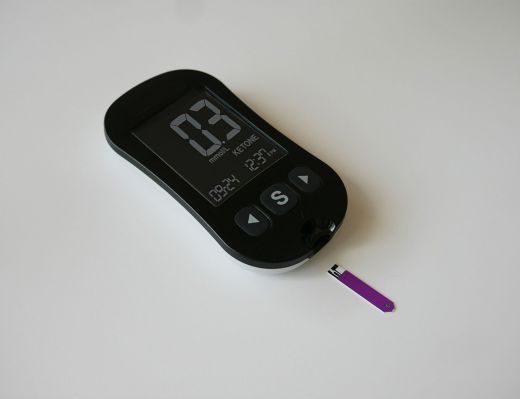
Reaching ketosis is not instant and is easily disrupted by a high-carb meal. Many people track it with urine strips or blood meters, though these are optional. Understanding the role of carbohydrates makes it clearer why even small amounts can matter on this diet.

Foods you eat and avoid
Keto lives and dies by carbohydrate counting, so the food lists are strict compared with most diets.
- Eat: meat, fish, eggs, cheese, butter, oils, avocado, nuts and seeds, and low-carb vegetables such as leafy greens, courgette and cauliflower.
- Avoid: bread, pasta, rice, potatoes, most fruit, sugar, beans, and anything with obvious added sugar or starch.
Because whole grains, most fruit and legumes are off the menu, fibre and certain vitamins need attention. Building meals around non-starchy vegetables and nuts helps. For structured menus, see our keto diet plan and keto food plan.
| Macronutrient | Rough share of calories | Main sources |
|---|---|---|
| Fat | 70 to 75 percent | Oils, butter, avocado, fatty fish, nuts |
| Protein | 20 percent | Meat, eggs, fish, cheese |
| Carbohydrate | 5 to 10 percent | Low-carb vegetables, small amounts of berries |
What the evidence shows
The strongest evidence for the ketogenic diet is in treating certain drug-resistant epilepsy in children, where it has been used medically for decades. For weight loss and type 2 diabetes, short and medium-term studies show it can be effective, often producing rapid early weight loss and improved blood sugar control.
However, much of the fast early loss is water, and longer-term results tend to converge with other calorie-controlled diets. The Harvard Nutrition Source notes that keto can aid short-term weight loss but that long-term safety and adherence remain open questions. It is a tool with real uses, not a guaranteed shortcut.
Benefits and risks
Keto has a devoted following because the benefits can be noticeable, but the downsides are real and worth taking seriously.
- Possible benefits: reduced appetite from higher fat and protein, quick initial weight loss, steadier blood sugar for some people, and a clear, rule-based structure.
- Possible risks: the short-term "keto flu" of fatigue and headaches, constipation from low fibre, raised LDL cholesterol in some people, and difficulty sustaining the diet socially.
The keto flu is usually temporary and linked to fluid and electrolyte shifts in the first week or two. Staying hydrated and getting enough salt, potassium and magnesium helps. Some people find a magnesium supplement useful during this phase, and our list of foods high in magnesium offers food-first options.
Tip: During the first two weeks, prioritise fluids and electrolytes. Much of the early tiredness people blame on carb withdrawal is really mild dehydration and sodium loss, both easily addressed.
Who should avoid keto
Keto is not suitable for everyone, and some groups should only follow it under medical supervision.
- Best avoided or medically supervised: people with type 1 diabetes or on glucose-lowering medication, those with pancreatic or liver conditions, pregnant or breastfeeding women, and anyone with a history of disordered eating.
- Consider alternatives: if you struggle with restriction, a gentler lower-carb or Mediterranean pattern may be easier to sustain.
Anyone taking medication for diabetes or blood pressure should speak to their doctor first, because rapid dietary change can require dose adjustments. If strict keto feels too limiting, the Mediterranean diet offers many of the same whole-food benefits with far more flexibility.
Getting started safely
If you decide to try diet ketogenik, preparation makes a big difference. Plan low-carb meals in advance, read labels for hidden sugars, and expect an adjustment period. Some people find a simple ketone test kit reassuring in the early weeks, and a basic kitchen scale helps with accurate carb counting while you learn the ropes.
Some links are affiliate links and we may earn a small commission at no extra cost to you. We only suggest product types we would genuinely consider.
Focus on whole foods rather than heavily marketed "keto" snacks, which are often expensive and ultra-processed. Reassess after four to six weeks: how do you feel, is it sustainable, and are your goals being met? For diabetes-related nutrition guidance, the NHS and the Academy of Nutrition and Dietetics are trustworthy references.
Note: This article is general information, not medical or personalised dietary advice. For guidance tailored to you, speak with a registered dietitian or your doctor.
Sources and further reading:
- Harvard Nutrition Source on ketogenic diets and weight loss.
- Academy of Nutrition and Dietetics for low-carb eating in context.
- NHS for carbohydrate and blood-sugar guidance.
Have a question or a topic to suggest?
We read every message. Tell us what you would like to see next on the blog.
Get in touchYou may also like

Keto Diet: The Complete Evidence-Based Guide
The keto diet shifts your body onto fat for fuel through very low carbohydrate eating. Here is what the evidence actually supports, who benefits, and the real trade-offs to weigh before you try it.
Ketosis: The Complete Evidence-Based Guide
Ketosis is a normal metabolic state where your body runs largely on fat and ketones. Here is what it actually is, how you enter it, what research supports, and who should be cautious.
Ketogenic Eating Plan: The Complete Evidence-Based Guide
What a ketogenic eating plan involves, what the research genuinely supports, the trade-offs and side effects, and who it does and does not suit.