Product Review
Premier Protein Shakes: A Dietitian's Honest Review (2026)
Thirty grams of protein for 160 calories sounds great, but is it worth the price? We analyse the label, name who it suits, and point to cheaper options.
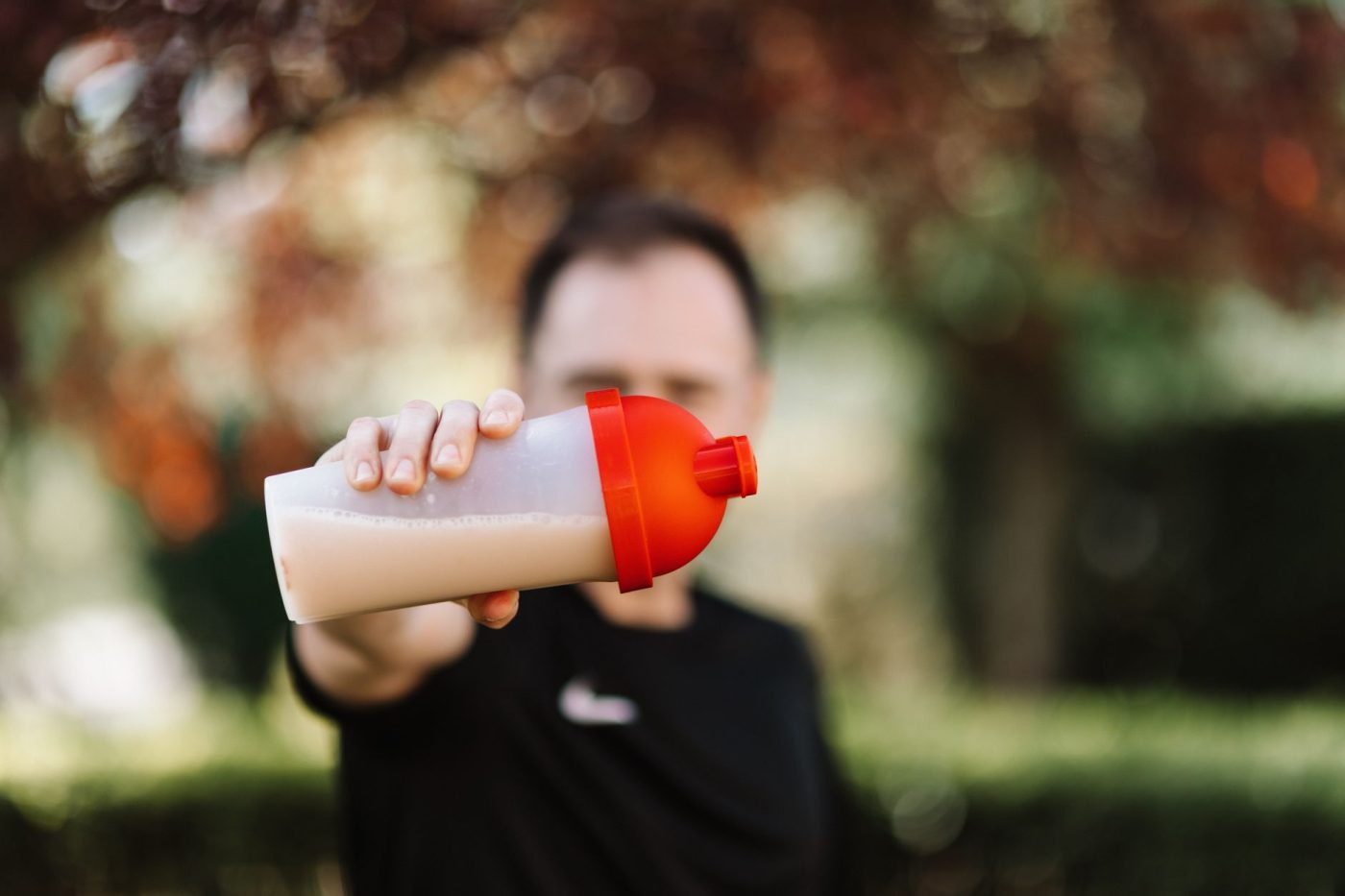
Premier Protein shakes are one of the best-selling ready-to-drink protein products on the shelf, and the marketing leans hard on that popularity. But popularity is not the same as suitability. This honest, dietitian-lens review looks past the packaging at what is actually in the bottle, who it genuinely suits, where the claims overreach, and whether cheaper options do the same job. No hype, no affiliate pressure, just the label and the evidence.
What Premier Protein shakes actually are
Premier Protein is a brand of ready-to-drink (RTD) protein shakes sold in single-serve bottles and multi-packs, typically in flavours like chocolate, vanilla and caramel. Each standard shake delivers around 30 grams of protein for roughly 160 calories, with about 1 gram of sugar and a modest amount of added vitamins and minerals. The protein comes mostly from milk protein concentrate plus whey and casein, which together give a complete amino acid profile.
The core appeal is simple: a large, measured dose of protein in a portable, no-preparation format. That is a genuine convenience, and for the right person it is worth paying for. The important thing to hold onto throughout this review is that a Premier Protein shake is a food product, not a functional upgrade to your body. It is subject to the same rules of digestion and total daily intake as any other protein source, a point our evidence review of protein shakes explains in full.
- Format: pre-mixed liquid, no powder or shaker required.
- Protein: around 30 grams per bottle from a milk-based blend.
- Calories: roughly 160, which is low for the protein delivered.
- Sugar: about 1 gram, kept low using non-nutritive sweeteners.
Reading the label honestly
On the numbers alone, the macro profile is strong. Thirty grams of protein for 160 calories is an excellent protein-to-calorie ratio, better than most whole-food options and useful if you are watching total intake. The low sugar is achieved with artificial sweeteners, usually sucralose and acesulfame potassium, which are approved as safe by food regulators but are a fair reason some people prefer to look elsewhere.
The added vitamins and minerals are a modest bonus rather than a headline feature. If your overall diet is reasonable, you do not need a shake to hit micronutrient targets, and the amounts here will not correct a genuine deficiency. Treat them as a small extra, not a reason to buy. The protein blend itself is the real value: milk protein concentrate is well studied, complete and digests at a moderate, steady rate that supports satiety.
It is also worth reading the ingredient list rather than just the front of the bottle. Marketing leans on the protein number and the low sugar, but the fuller picture includes the sweeteners, thickeners and stabilisers that give an RTD shake its shelf life and creamy texture. None of these are harmful at the amounts used, and they are what make a pre-mixed liquid possible in the first place. The honest framing is that you are buying a processed but nutritionally efficient product, not a whole food, and that trade-off is perfectly reasonable when convenience is the point.
Tip: When comparing any RTD shake, divide protein grams by calories. Anything near or above 0.18 grams of protein per calorie is efficient. Premier Protein sits comfortably in that range.

How it compares on cost and value
RTD shakes always carry a convenience premium over powders. You are paying for the bottle, the liquid, the pasteurisation and the portability. That premium is real and worth being honest about. The table below sets Premier Protein against the main alternatives so you can see where your money goes. Prices are described in tiers rather than exact figures, because they vary by retailer, pack size and promotion.
| Option | Protein per serving | Cost tier per serving | Best for |
|---|---|---|---|
| Premier Protein RTD shake | ~30 g | Higher | Grab-and-go convenience |
| Whey protein powder | 20 to 30 g | Lower | Best value per gram |
| Other RTD shakes | 20 to 30 g | Higher | Convenience, flavour choice |
| Greek yoghurt plus milk | 20 to 25 g | Low to mid | Whole-food protein |
| Vegan protein powder | 20 to 25 g | Mid | Dairy-free diets |
The verdict on value is nuanced. If convenience genuinely removes a barrier that keeps you from eating enough protein, the premium is money well spent. If you are simply drinking shakes at home where a scoop of powder would do the same job, you are paying a lot for the packaging. For a broader comparison of powders, see our reviews of the best protein powder and whey protein powder.
Who Premier Protein actually suits
Like any tool, this product is excellent for a specific job and unnecessary for others. It earns its place for people who genuinely struggle to reach a protein target through food and who value the no-effort format enough to pay for it.
- Busy commuters: anyone who skips a protein-rich breakfast and needs a reliable top-up on the move.
- Post-surgery or low appetite: people advised to raise protein when solid food is unappealing, following medical guidance.
- Weight management: the high protein and low calorie profile supports satiety in a calorie deficit.
- Travellers: shelf-stable bottles are handy when a fridge and kitchen are not.
Older adults working to preserve muscle can also benefit, since appetite often falls with age and a measured protein dose is easier than a full meal. Our complete protein guide covers how much protein different groups actually need.
What unites these groups is a genuine barrier to eating enough protein: no time, no appetite, or no kitchen. Where that barrier is real, paying a premium to remove it is a rational choice, and Premier Protein does the job cleanly. The problem only arises when the shake becomes a default rather than a solution, quietly replacing meals that would have been cheaper, more filling and more varied. Used with intention, it is a smart addition; used on autopilot, it is an expensive habit.
Who should skip it
Just as important is naming who does not need this product. Buying it out of habit or marketing pull is where the money is wasted.
- People already meeting protein targets: if meals cover your needs, a shake adds cost, not nutrition.
- Those avoiding sweeteners: anyone who prefers to skip sucralose and acesulfame potassium has plenty of whole-food options.
- Dairy allergy sufferers: the milk-based blend is unsuitable; a vegan protein powder is the better route.
- Budget-focused home users: a tub of powder delivers the same protein for far less per serving.
The NHS Eat Well guidance is clear that most people can meet protein needs through a varied diet, so no one should feel that a branded shake is a requirement for good nutrition.
Cheaper and whole-food alternatives
If you like the idea of a fast protein hit but want to spend less or avoid additives, there are strong alternatives. The goal is the same: a convenient 25 to 30 gram dose of protein without much fuss.
Some links are affiliate links and we may earn a small commission at no extra cost to you. We only suggest product types we would genuinely consider.
- Whey protein powder: the best value per gram of protein; browse whey protein powder options and mix with milk or water.
- Ready-to-drink alternatives: compare other ready-to-drink shakes for flavour and price.
- Plant-based powder: a dairy-free vegan protein powder for those avoiding milk.
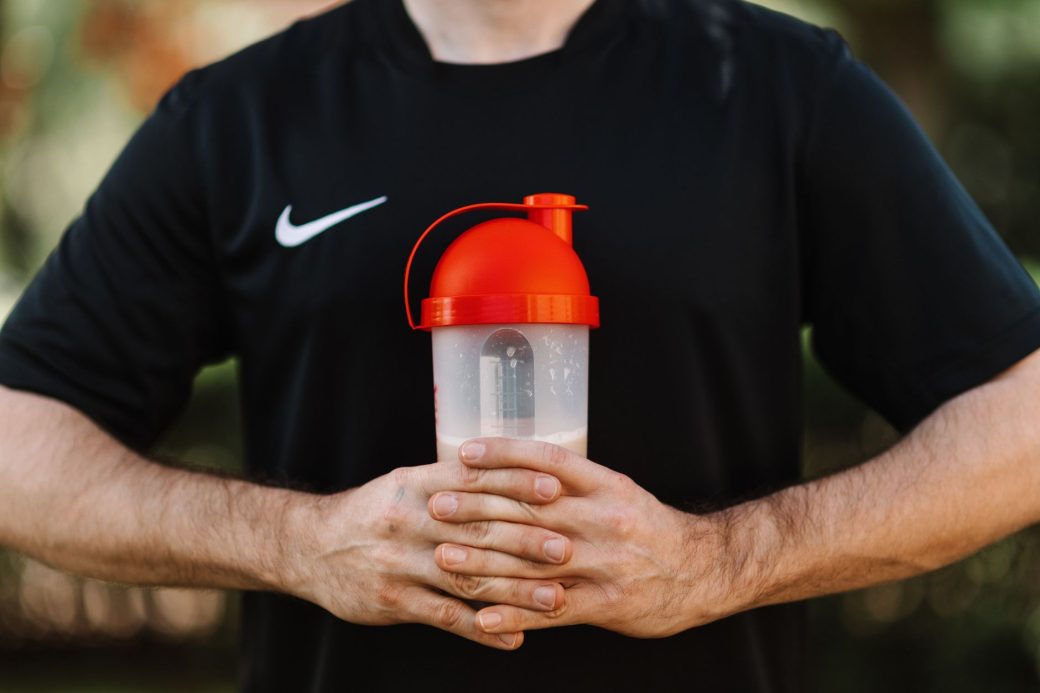
- Shaker bottle: a simple shaker bottle makes home powder use quick and lump-free.
For whole-food swaps, Greek yoghurt, cottage cheese, eggs, milk and tinned fish all deliver protein cheaply. Our high protein snacks list and high protein breakfast ideas give portion-by-portion options that cost less than any bottled shake. Harvard's Nutrition Source reinforces that food-first protein is the sensible default for most people.
The honest verdict
Premier Protein shakes do exactly what they promise: deliver a large, low-calorie, low-sugar dose of complete protein with zero preparation. The macro profile is genuinely good and the product is convenient. Nothing about it is a scam, and for the right person it is a sensible buy.
The caveats are equally honest. You pay a convenience premium over powder, the low sugar relies on artificial sweeteners some people prefer to avoid, and it is entirely unnecessary if your meals already cover your protein needs. Buy it if convenience genuinely closes a gap in your day; skip it if you are drinking it out of habit at home where cheaper options would serve you just as well. As the Academy of Nutrition and Dietetics puts it, supplements should fill real gaps, not form the foundation of your diet.
Note: This article is general information, not medical or personalised dietary advice. For guidance tailored to you, speak with a registered dietitian or your doctor.
Sources and further reading
Have a question or a topic to suggest?
We read every message. Tell us what you would like to see next on the blog.
Get in touchYou may also like
Protein Shakes: What the Evidence Actually Says
Strip away the marketing and a protein shake is just a convenient, measured dose of protein. Here is what the evidence actually supports, how to dose it, and who genuinely benefits.
Best Protein Powder: What the Evidence Actually Says
There is no single best protein powder for everyone. Compare whey, casein, and plant types, learn what the evidence supports, how much you need, and which marketing claims to ignore.
Fairlife Protein Shake: A Dietitian's Honest Review (2026)
Independent, evidence-based review of Fairlife protein shakes. We analyse the label, protein quality, sweeteners, cost and who genuinely benefits, plus cheaper powder and whole-food alternatives that hit the same target.