Supplements
Whey Isolate Protein Powder: What the Evidence Actually Says
Higher protein, lower lactose, higher price. Here is what whey isolate actually delivers, who benefits, and the label claims worth ignoring.
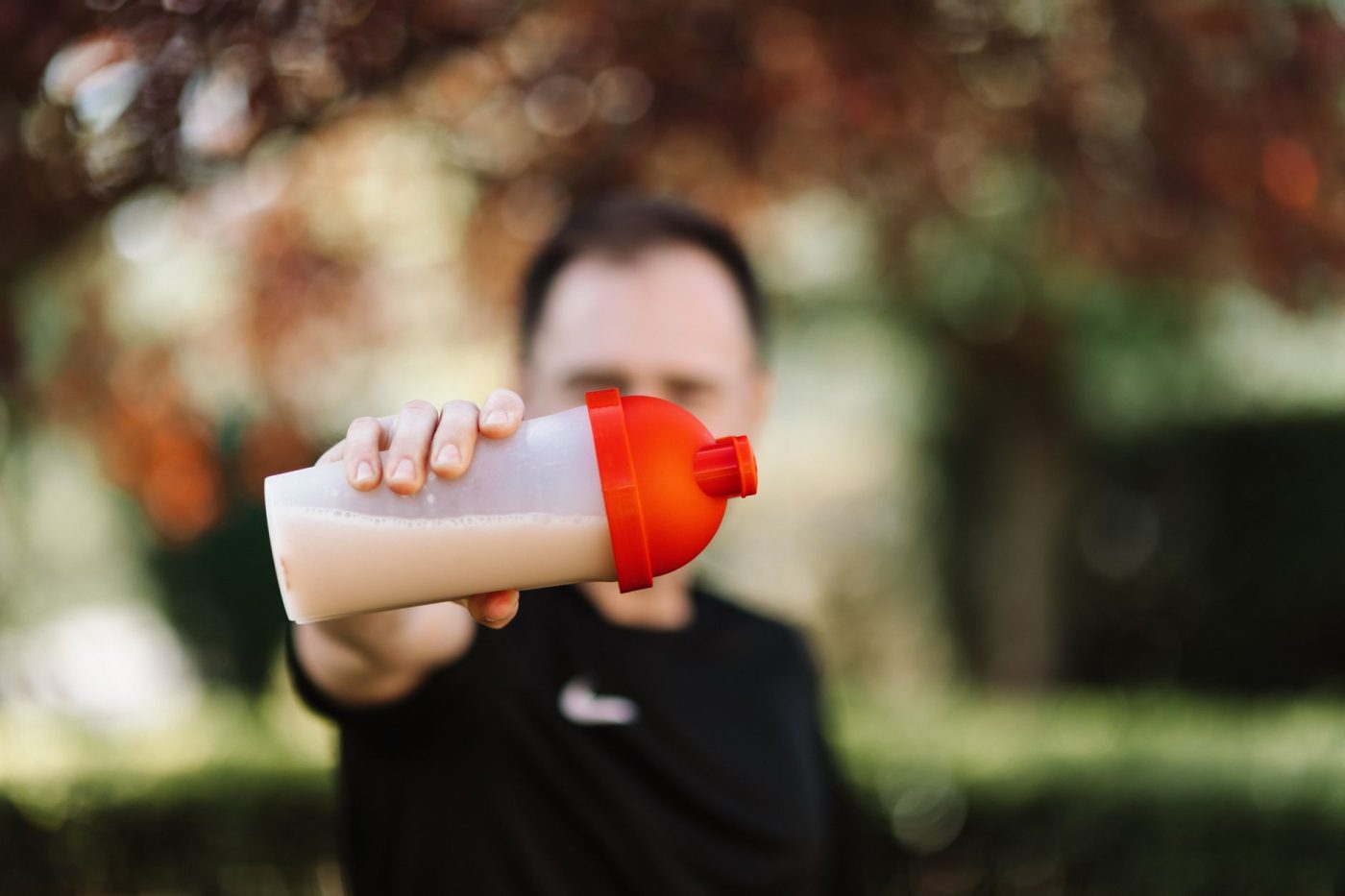
Whey isolate is the more filtered cousin of standard whey protein: higher in protein per scoop, lower in lactose, carbohydrate and fat. It has a genuine place in a well-planned diet, but the marketing around it often runs far ahead of the evidence. This guide separates what whey isolate protein powder actually does from the claims worth ignoring, and shows how to use it sensibly if you choose to.
What whey isolate actually is
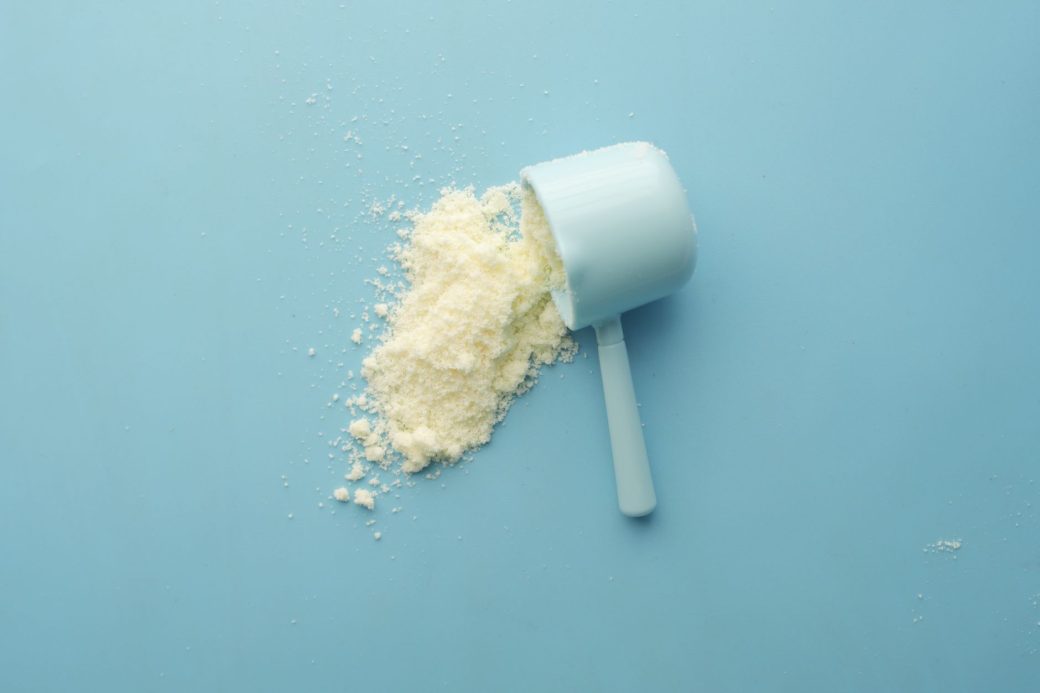
Whey is one of the two proteins found in milk, separated out during cheese making. Manufacturers then process that whey to different degrees. Whey concentrate is the least processed and typically sits around 70 to 80 percent protein by weight, with more lactose and fat. Whey isolate is filtered further, usually reaching 85 to 90 percent protein, with most of the lactose, carbohydrate and fat removed.
That extra filtering is the whole story behind the price gap. Isolate is not a different or superior protein: it is the same whey, purified more. For most people the practical differences are modest, and the choice comes down to lactose tolerance, calorie goals and budget. If you want the fuller picture on the base product, our guide to whey protein powder covers concentrate in detail, and the closely related whey protein isolate and iso whey protein guides sit alongside this one.
You may also see hydrolysed whey, which is isolate that has been partly broken down for even faster digestion. It carries a higher price and a more bitter taste, and for everyday users it offers no meaningful advantage. Unless a specific clinical reason applies, there is little case for paying more for hydrolysate over a good isolate. Knowing these tiers exist helps you see through the up-selling that runs through the whole category.
What the evidence actually supports
The honest headline is that whey isolate is a convenient, high-quality protein source, and that is where the strong evidence stops. Protein as a nutrient supports muscle repair and growth when combined with resistance training, helps with fullness, and is essential for many body processes. Whey delivers all nine essential amino acids and is digested quickly, which is why it is popular around workouts.
What the research does not support is the idea that isolate is dramatically better than whole-food protein or even standard whey concentrate for the average person. When your total daily protein and overall diet are matched, the source matters far less than the total. Bodies such as the Academy of Nutrition and Dietetics are clear that most people can meet their needs from food, with powders acting as a convenience rather than a necessity. For the wider context, see our protein guide.
It is worth being precise about the muscle question, because it is where most of the hype lives. Protein does support muscle repair and growth, but only in combination with resistance training and an adequate total intake. The powder is not doing anything a chicken breast, some Greek yoghurt or a portion of lentils could not, gram for gram of protein. Its real selling point is logistics: it is quick, portable, requires no cooking and lets you hit a protein target on a busy day. Judged as a convenience rather than a magic ingredient, whey isolate is a perfectly reasonable tool, and viewing it that way protects you from overpaying for promises it cannot keep.
Isolate versus concentrate
The two products are more alike than the labelling suggests. The table below compares the typical differences per 30 gram scoop, using approximate figures that vary by brand.
| Feature | Whey isolate | Whey concentrate |
|---|---|---|
| Protein content | Around 25 to 27g | Around 20 to 24g |
| Lactose | Very low | Low to moderate |
| Carbohydrate and fat | Minimal | Slightly higher |
| Typical price tier | Higher | Lower to mid |
| Best suited to | Lactose sensitivity, leaner macros | General use, value |
Tip: If dairy sits fine with you and cost matters, standard concentrate does almost everything isolate does for less money. Pay the premium for isolate mainly if lactose bothers you or you are counting every gram of carbohydrate and fat.
Who might genuinely benefit
Whey isolate is a tool, and tools suit some jobs better than others. It tends to earn its place for specific groups rather than everyone.
- People with lactose sensitivity: the very low lactose content is often easier to tolerate than concentrate.
- Those chasing lean macros: the higher protein-to-calorie ratio helps when carbohydrate and fat are tightly budgeted.
- Busy or high-need eaters: anyone who struggles to hit protein targets from food alone, such as older adults or heavy trainers.
- Convenience seekers: a quick shake after training or on a rushed morning can be simpler than preparing a meal.
If you fall outside these groups, you can usually meet your needs with whole foods. Our list of high protein foods and everyday high protein snacks covers the alternatives.
How to use it sensibly
A typical serving provides roughly 25 grams of protein, and one to two scoops a day is plenty for most people who use it at all. Timing matters far less than the daily total: the old idea of a narrow anabolic window has softened considerably in the research. Spreading protein across meals is more useful than obsessing over the minutes after a workout.
Powder blends easily into water, milk or a smoothie. Many people find a simple protein shaker bottle and an accurate digital kitchen scale make consistent portions far easier than eyeballing scoops.
How much protein you need overall depends on your body weight, activity and goals rather than on the powder itself. A common general range for active adults sits between 1.2 and 2.0 grams of protein per kilogram of body weight per day, with most people at the lower end. Whey isolate is simply one convenient way to top up toward that figure on days when whole food falls short. Once your target is met, adding more powder does not build extra muscle; it just adds cost. Treating it as a supplement to a food-first plan, not the centrepiece, keeps both your budget and your expectations grounded.
Some links are affiliate links and we may earn a small commission at no extra cost to you. We only suggest product types we would genuinely consider.
If you prefer a ready-made option, our comparison of protein shakes weighs powders against bottled drinks.
Marketing claims to ignore
Supplement labels are a masterclass in confident language. A few claims come up again and again with little behind them.
- "Fast absorbing for maximum gains": whey is digested quickly, but faster digestion does not translate into meaningfully more muscle for most people.
- "Anabolic window" urgency: the pressure to drink a shake within minutes of training overstates the evidence; daily total protein matters more.
- Proprietary blends and exotic add-ins: extra amino acids and trademarked ingredients rarely add value over a complete protein you already have.
- "Detox" or "fat-burning" protein: protein powder does neither; it is simply a protein source.
Choosing well is more about the basics: a short ingredient list, a protein amount that suits you, a flavour you will actually drink, and ideally third-party testing. See our roundup of the best protein powder options for how to judge quality.
Safety and considerations
For healthy adults, whey isolate is generally well tolerated within sensible amounts. Very high protein intakes offer no extra benefit and simply add cost. People with kidney disease, a milk allergy or specific medical conditions should get individual advice before relying on any protein supplement, and those avoiding dairy entirely may prefer a vegan protein powder. The NHS and the Harvard Nutrition Source both note that most people can meet protein needs from a varied diet without supplements.
Quality and safety are also worth a moment's thought when choosing a product. Supplements are less tightly regulated than food, so where it matters to you, look for a brand that carries independent third-party testing for label accuracy and contaminants. This is especially relevant for competitive athletes subject to drug testing, who benefit from products certified under recognised sport schemes. For everyone else, a plain isolate with a short ingredient list from an established brand is a reasonable, no-fuss choice.
Tip: Do not judge a powder by its protein percentage alone. A slightly cheaper concentrate you enjoy and use consistently will serve you far better than a premium isolate that sits unopened in the cupboard because you dislike the taste.
Note: This article is general information, not medical or personalised dietary advice. For guidance tailored to you, speak with a registered dietitian or your doctor.
Sources and further reading:
- NHS on protein and healthy eating.
- Harvard Nutrition Source for protein quality and requirements.
- Academy of Nutrition and Dietetics on protein supplements and food-first advice.
Have a question or a topic to suggest?
We read every message. Tell us what you would like to see next on the blog.
Get in touchYou may also like
Whey Protein Isolate: What the Evidence Actually Says
Whey protein isolate is a purified, low-lactose form of whey. Learn how it compares to concentrate, what the evidence supports, and who genuinely benefits from paying more.
Best Protein Powder: What the Evidence Actually Says
There is no single best protein powder for everyone. Compare whey, casein, and plant types, learn what the evidence supports, how much you need, and which marketing claims to ignore.
Protein: The Complete Evidence-Based Guide
How much protein do you actually need, and where should it come from? This evidence-based guide covers protein sources, timing, weight management and cutting through powder marketing.